Mon–Sat 08:00–18:00 EATWhatsApp
Guides
What a brick oven actually costs, how to size one to your busiest hour, wood against gas, and how to fire and cure it without cracking the dome. Written by the people who build them.
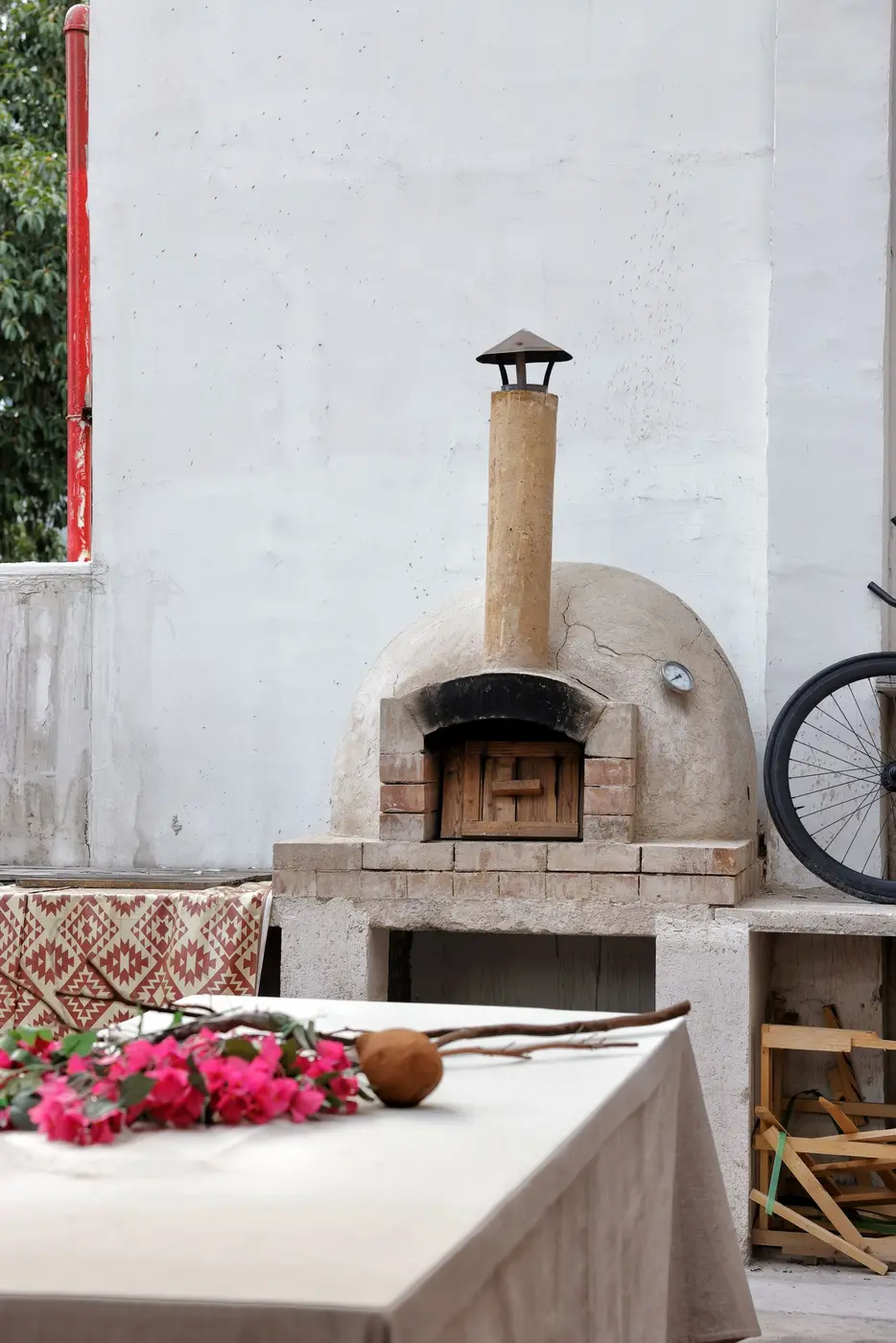
Work back from your busiest hour, not from the size that looks impressive. Throughput figures by dome diameter, the constraint most kitchens misdiagnose, and the three site limits that override the ideal size.
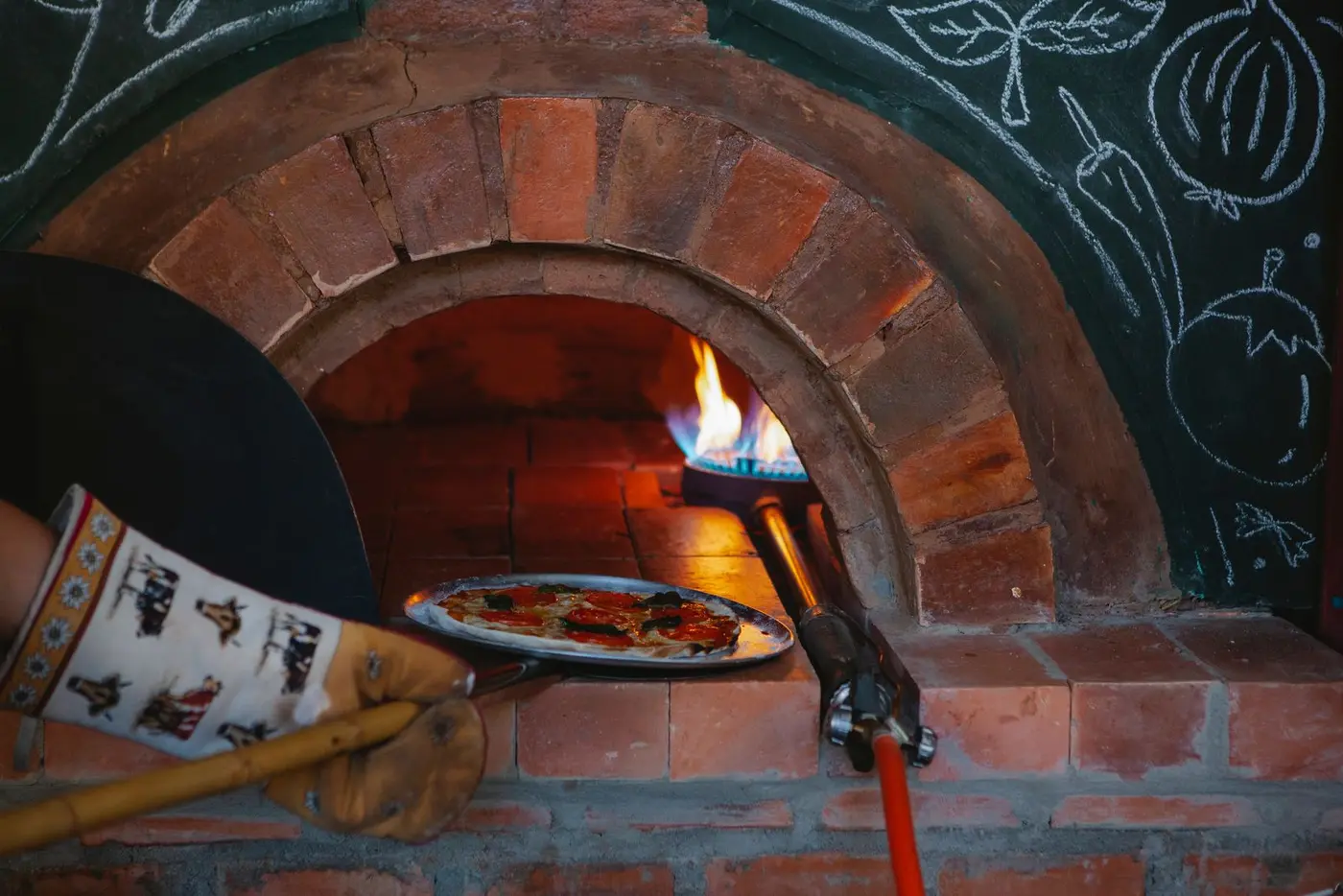
Flavour, speed, staffing, extraction, and running cost compared honestly — including the one decision you must make at build time even if you are undecided about fuel.
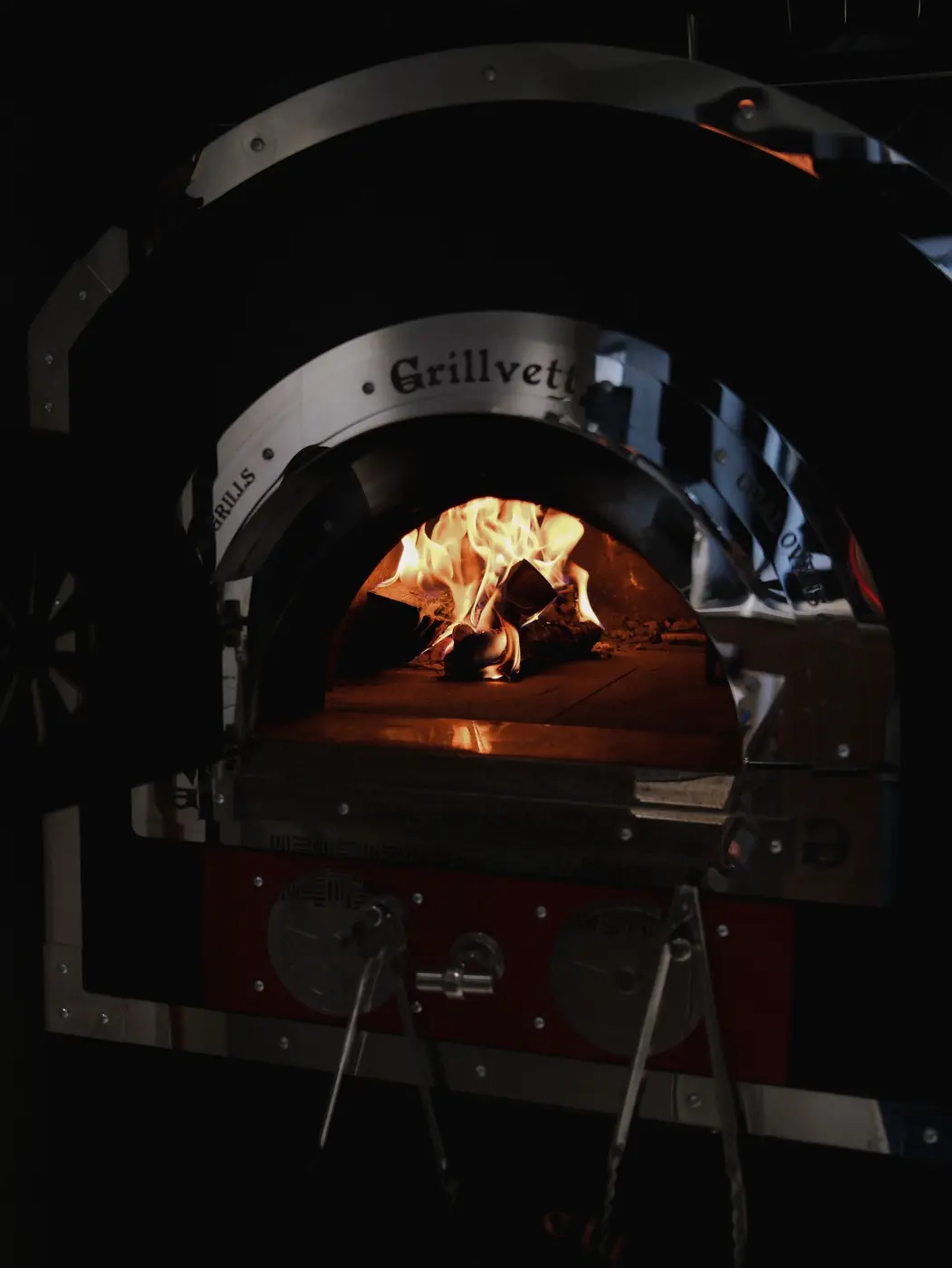
A finished oven is quicker and usually cheaper — until access defeats it. How to tell which route your site allows, and the weight and doorway numbers that decide it.
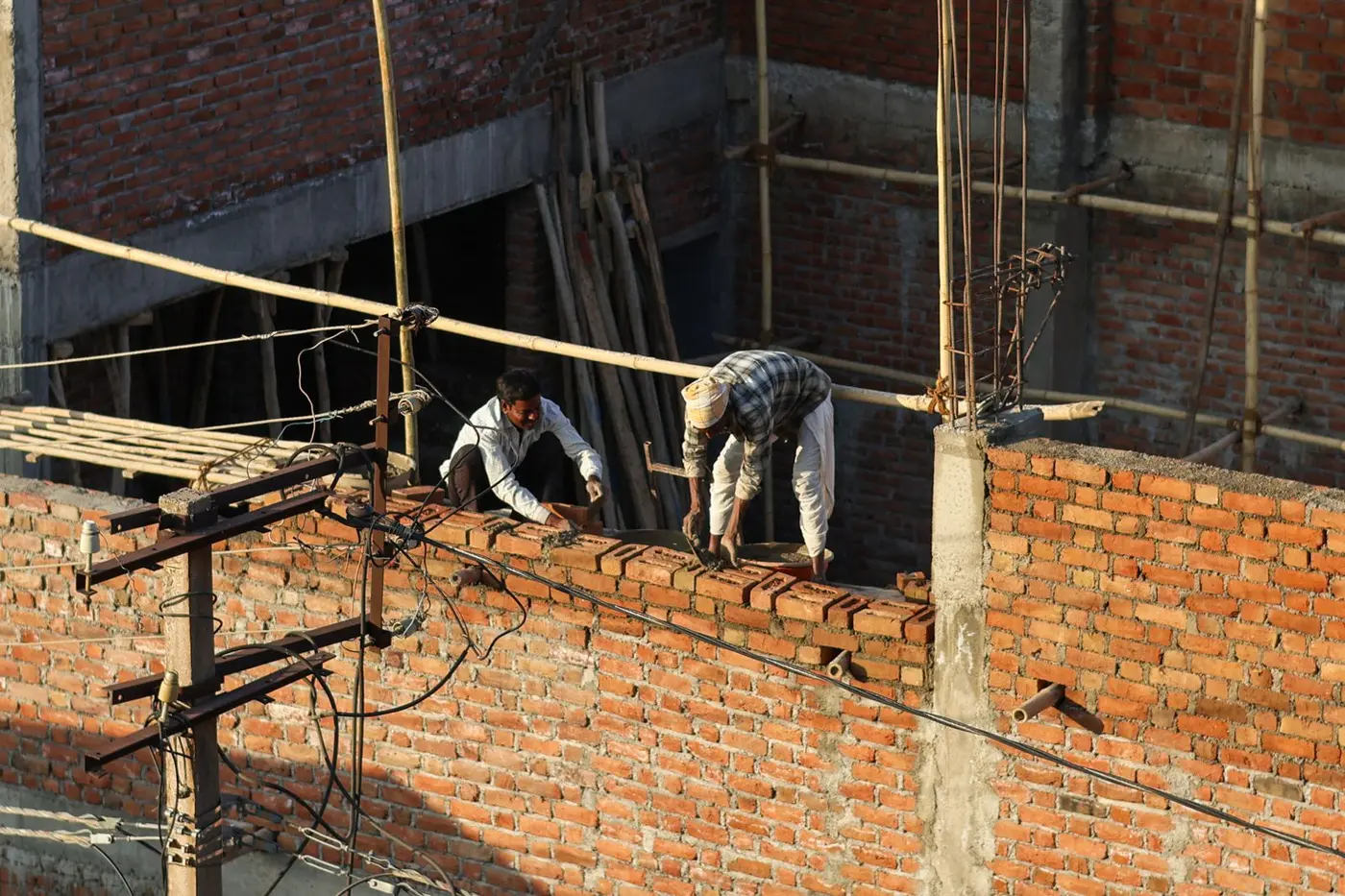
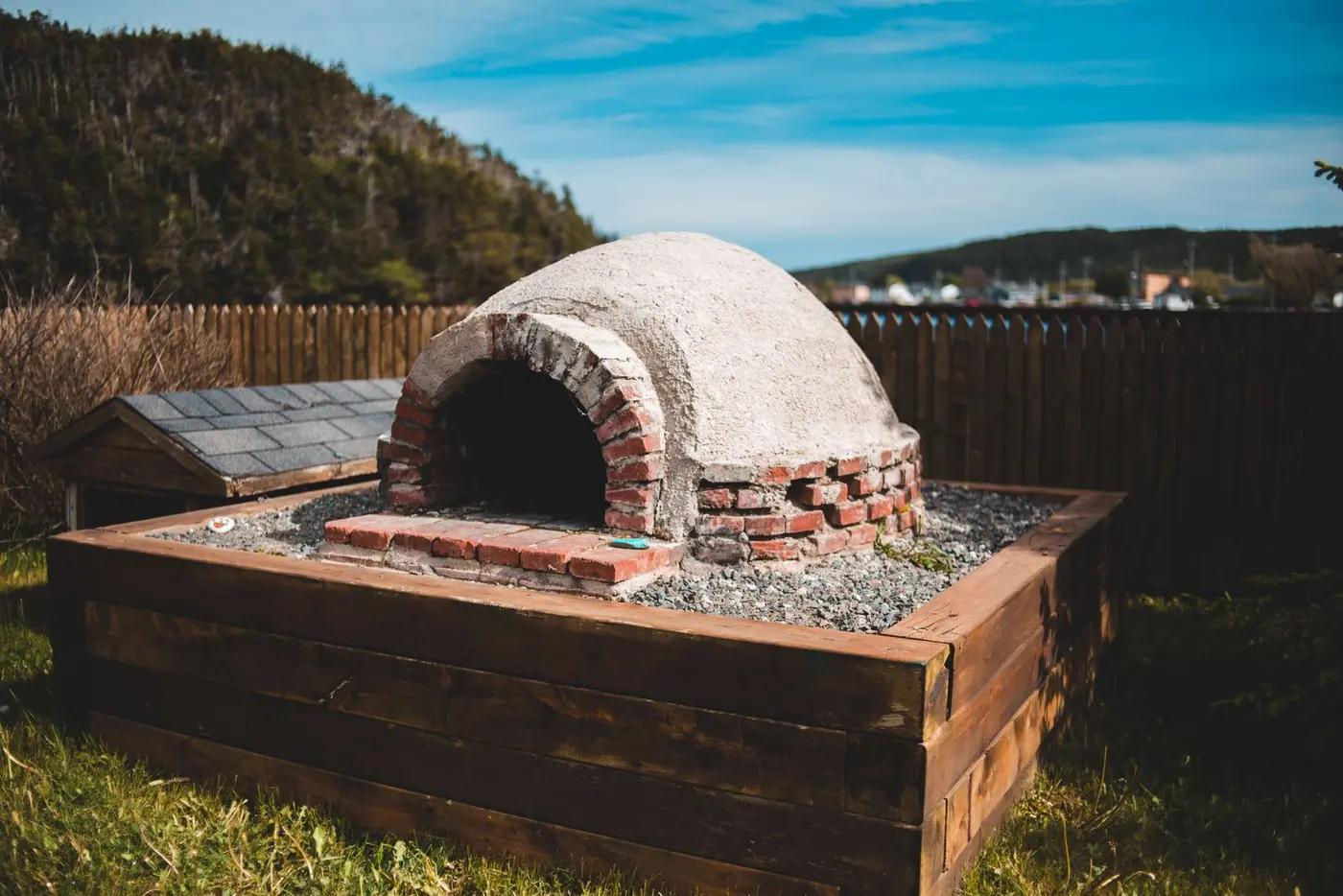
Once the render goes on you cannot inspect the build. Eleven questions that separate a builder working properly from one cutting the corners you will pay for later.
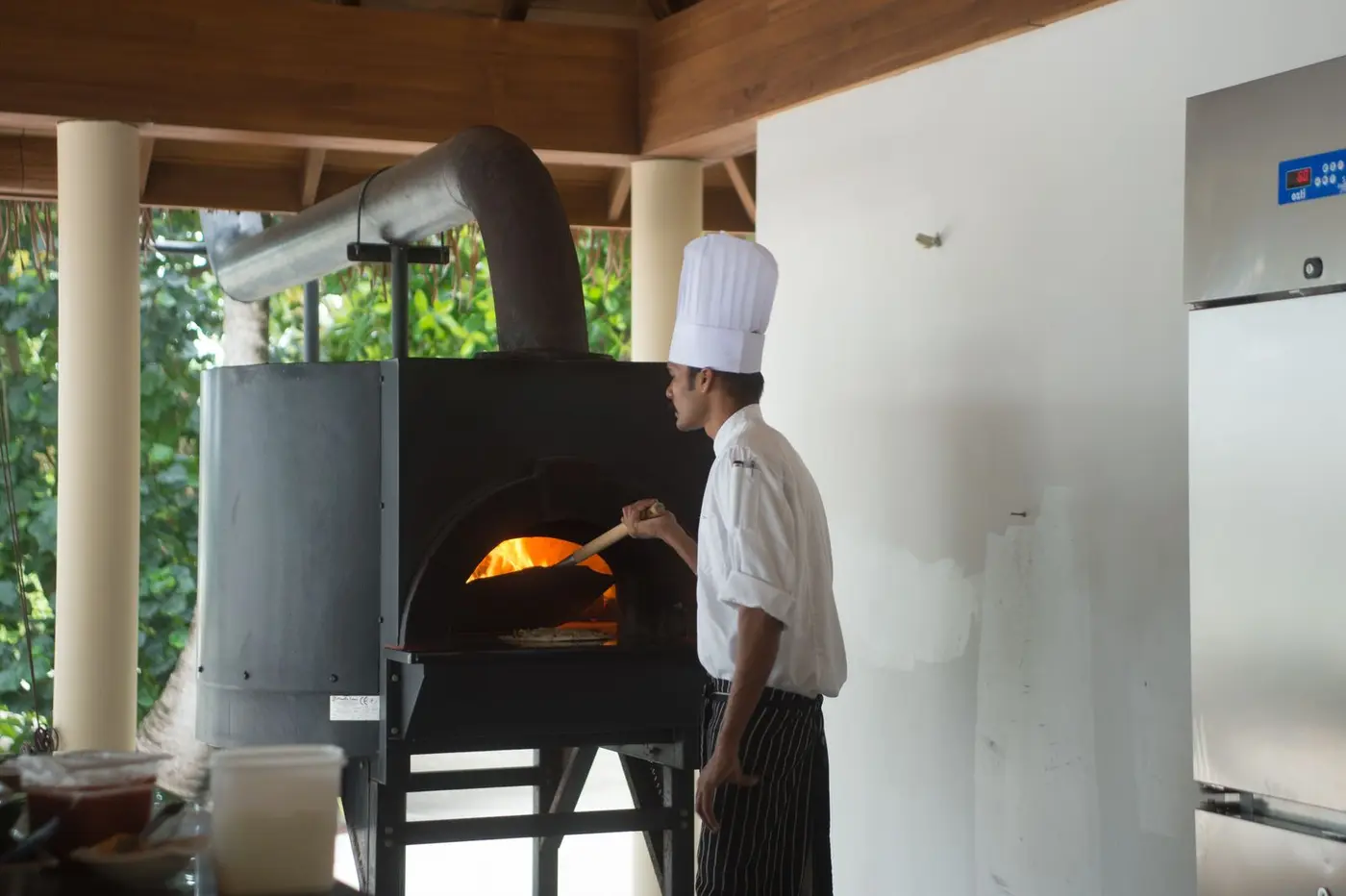
It is not simply size. Mass, recovery rate, mouth width, flue sizing and duty cycle all change — and a domestic oven pressed into commercial service fails in a predictable way.
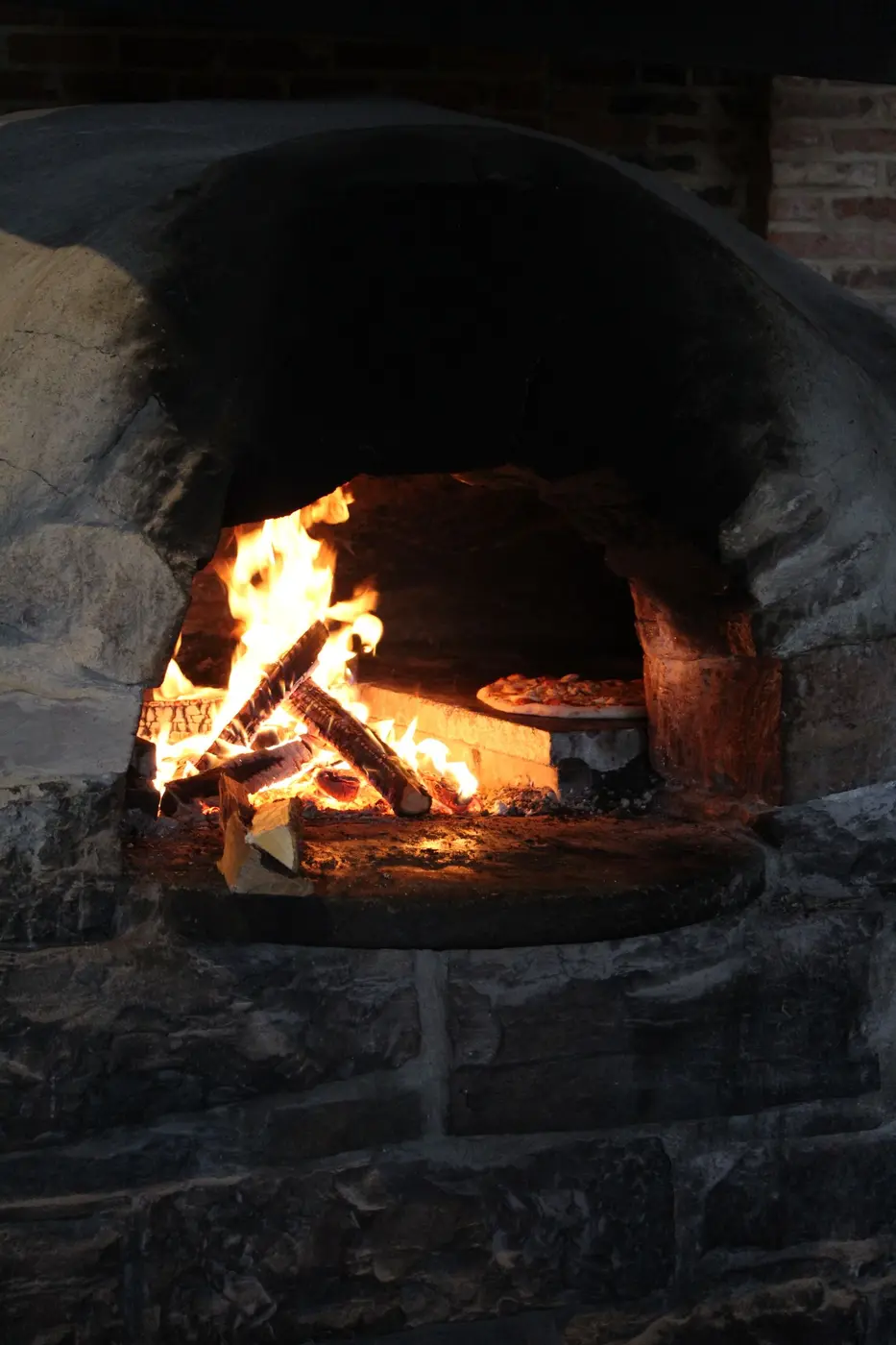
Fuel consumption by dome size and fuel type, the operating habits that halve or double it, and the maintenance costs most owners do not budget for.
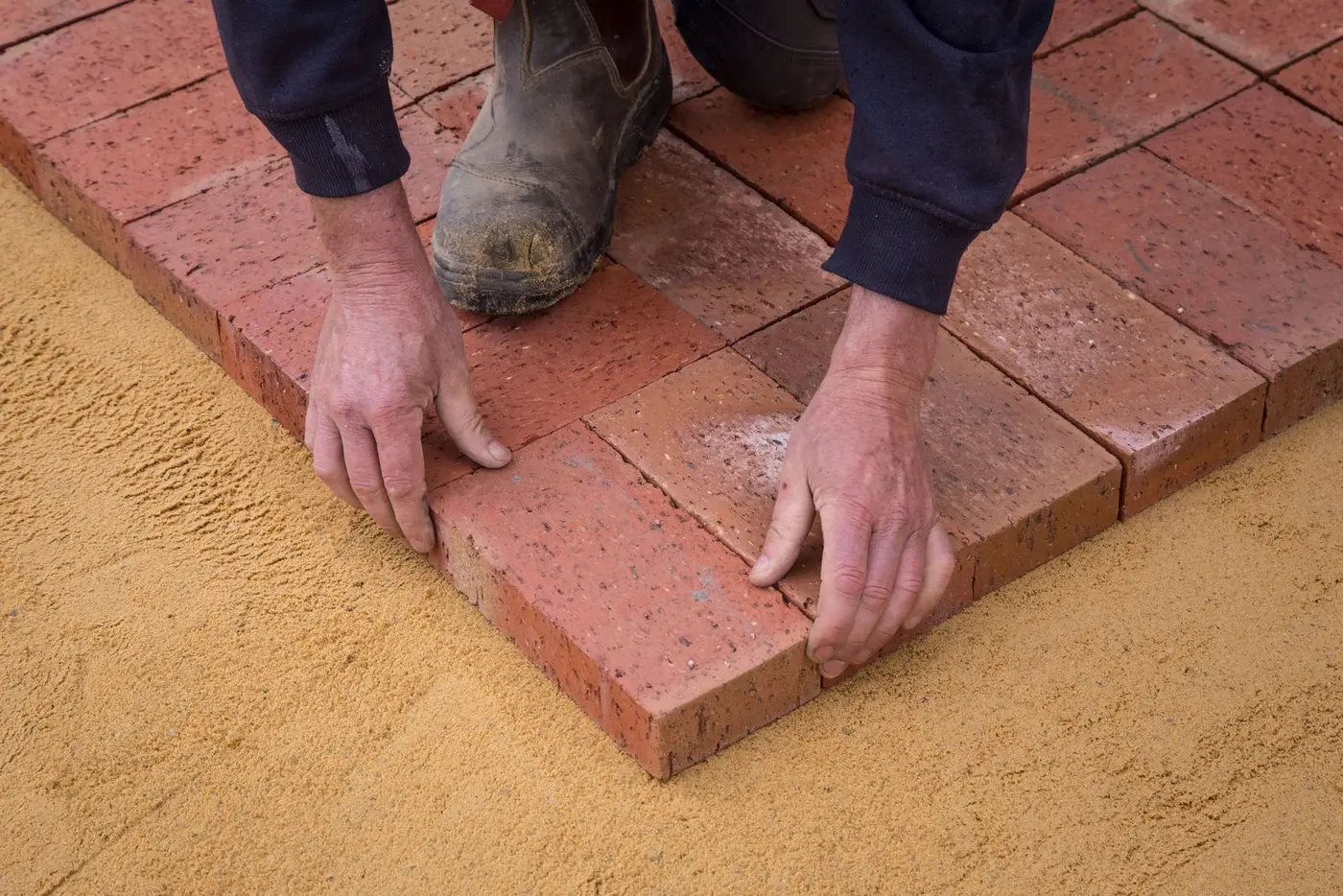
Survey to first pizza, stage by stage — what each stage actually involves, what makes a build run long, and why the curing week at the end is not padding you can negotiate away.
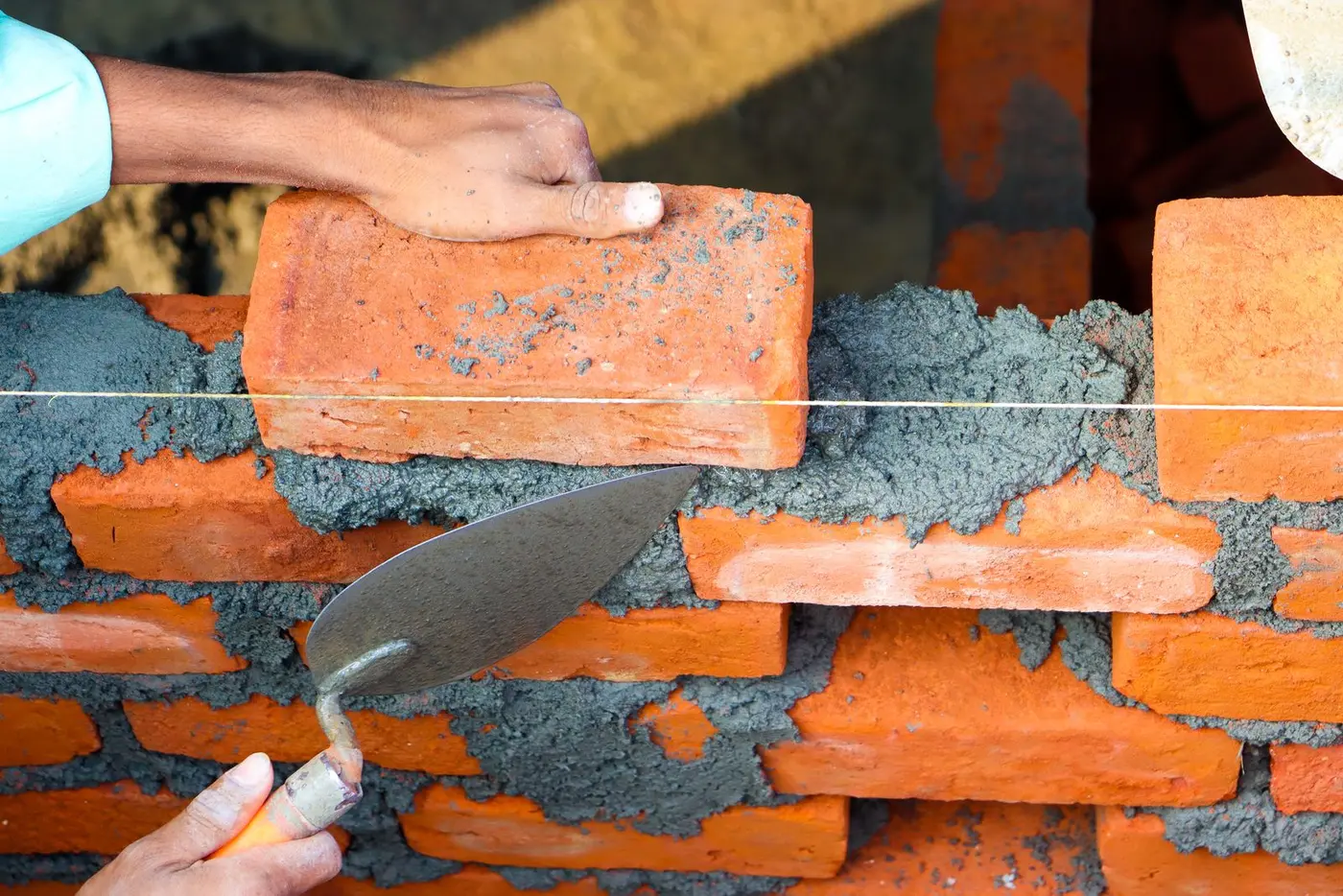
Firebrick, refractory castable, ceramic fibre, rockwool, calcium silicate — what each layer does, why substituting the cheap version fails, and the five questions that reveal a bad build before the render hides it.

Why draw fails, how diameter and height are decided, clearance to combustibles, integrating with an existing kitchen canopy, and the flue decision you cannot reverse later.
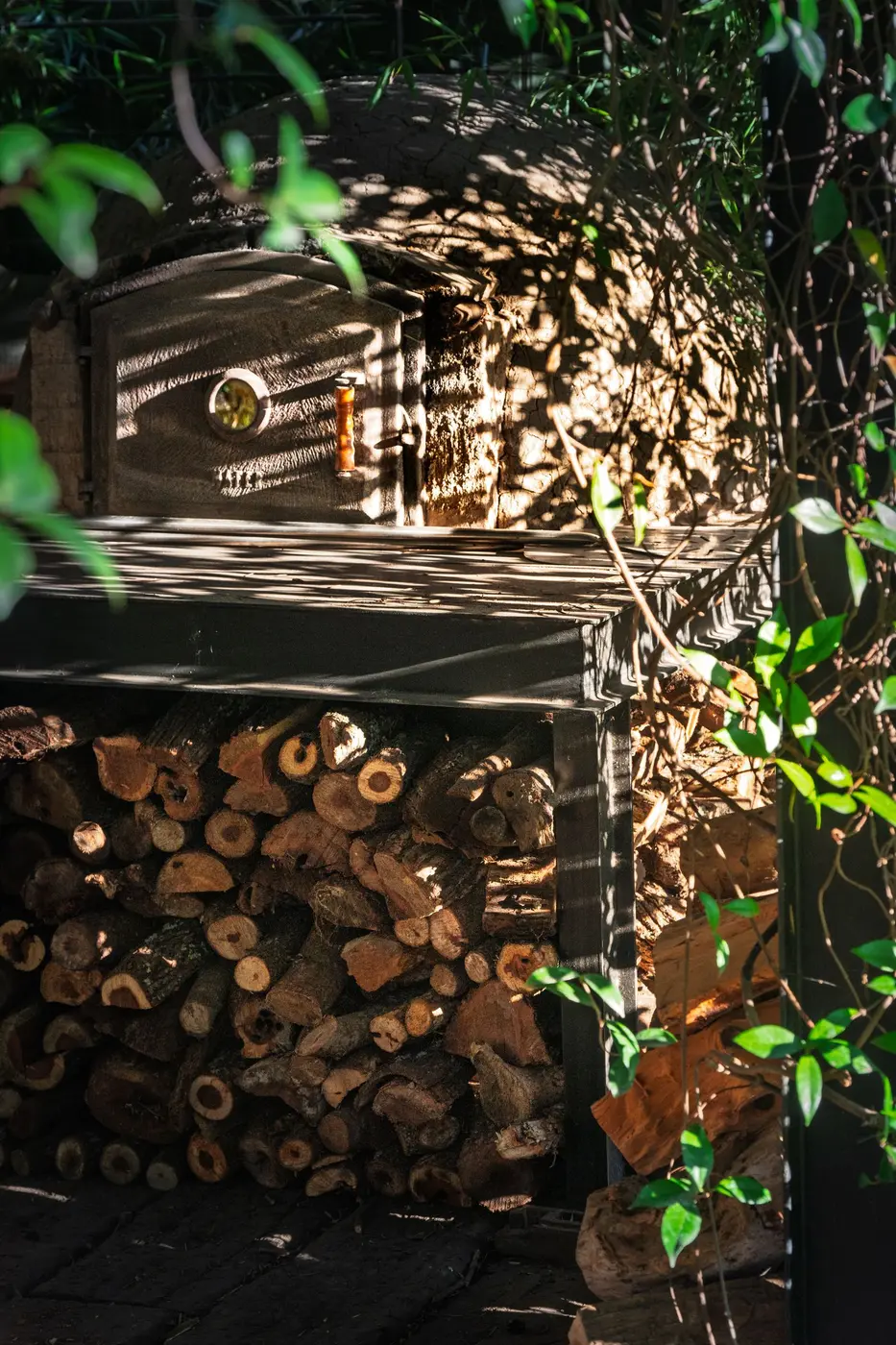
Indoor or outdoor, ground floor or above, and the floor-loading arithmetic that rules out more positions than anything else. Plus the working-space dimensions people discover too late.
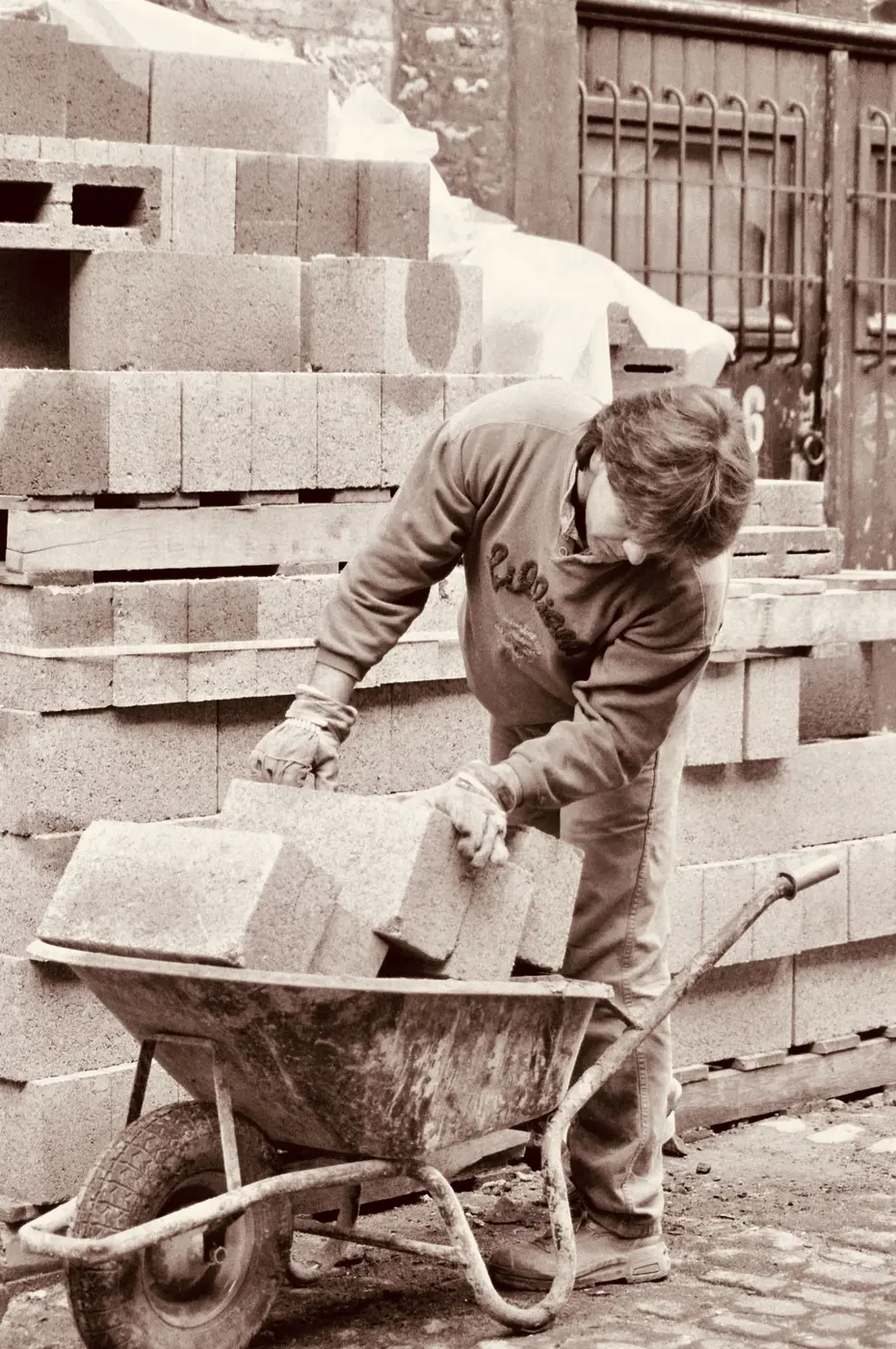
High-alumina, fireclay, insulating firebrick and ordinary building brick compared — what each is for, what happens when the wrong one is used, and why the hearth is laid dry.
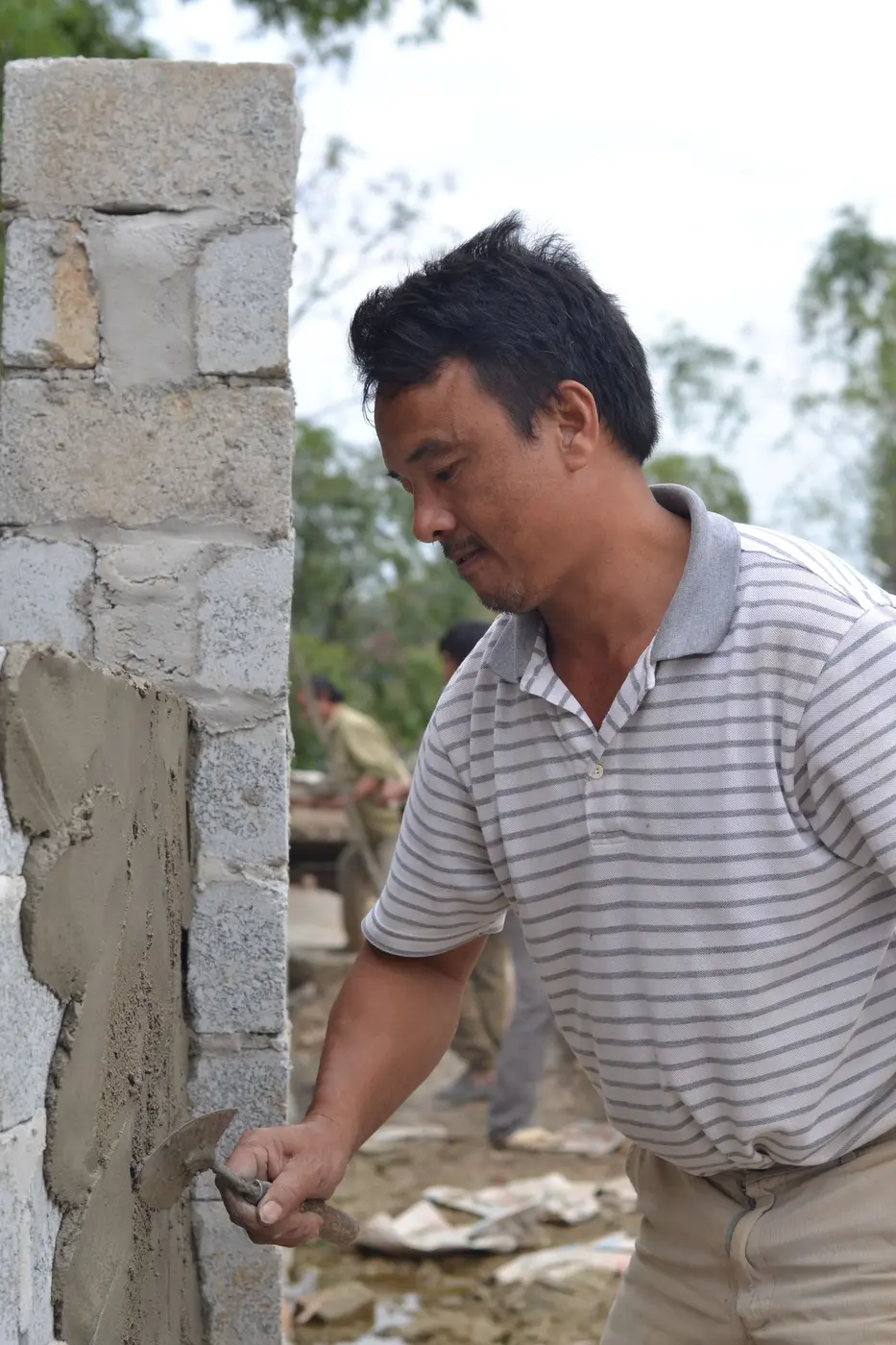
What holds a dome together, why ordinary cement fails at oven temperatures, and how to tell whether the oven you are being quoted uses the right binder.
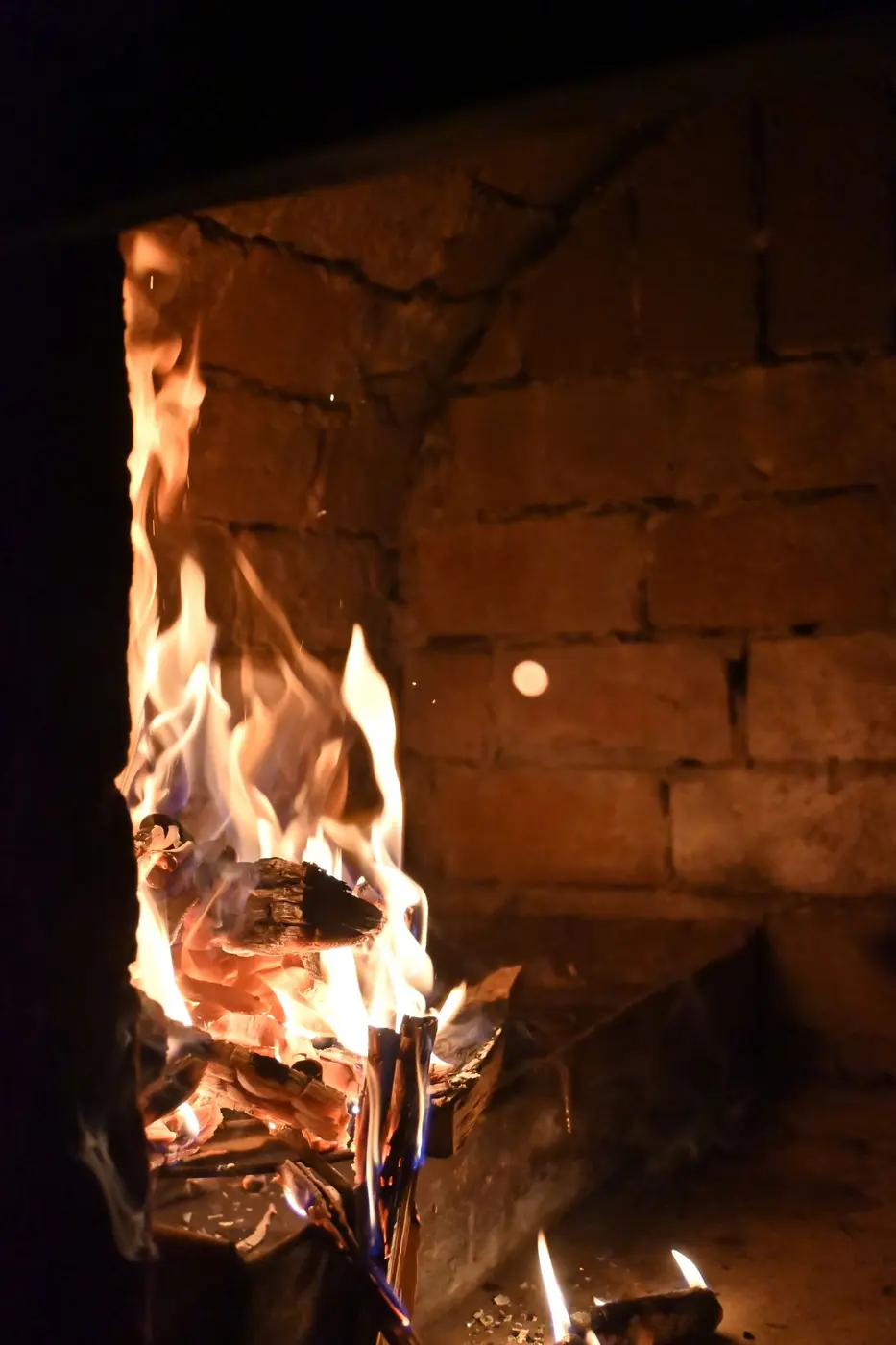
The invisible layer that decides your fuel bill for the life of the oven. Why two different materials rather than more of one, why fit beats thickness, and what happens when it gets wet.
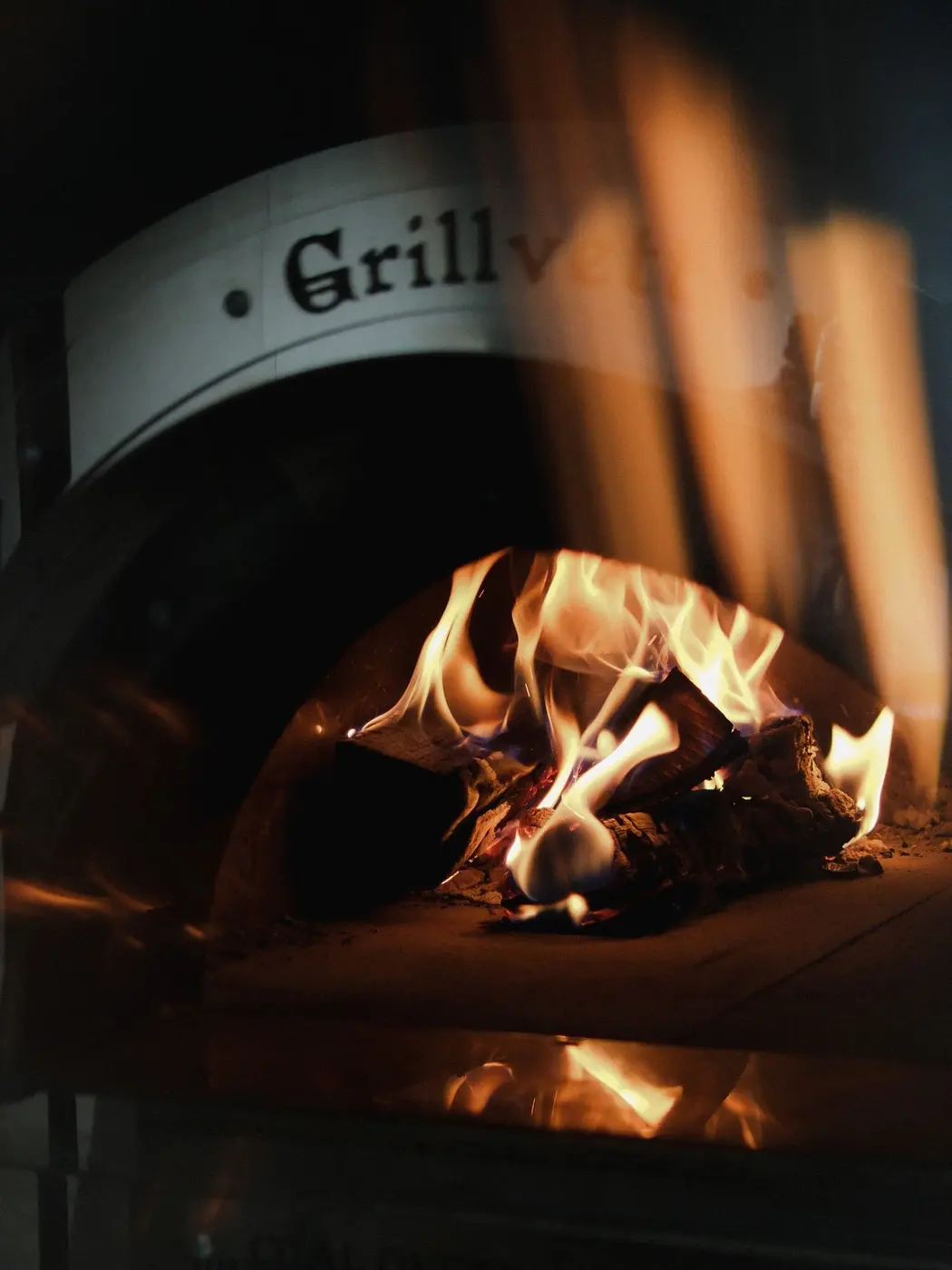
The most common way a brand-new oven is destroyed is being fired too hard, too soon. A day-by-day schedule, what to watch for, and what to do if it goes wrong.
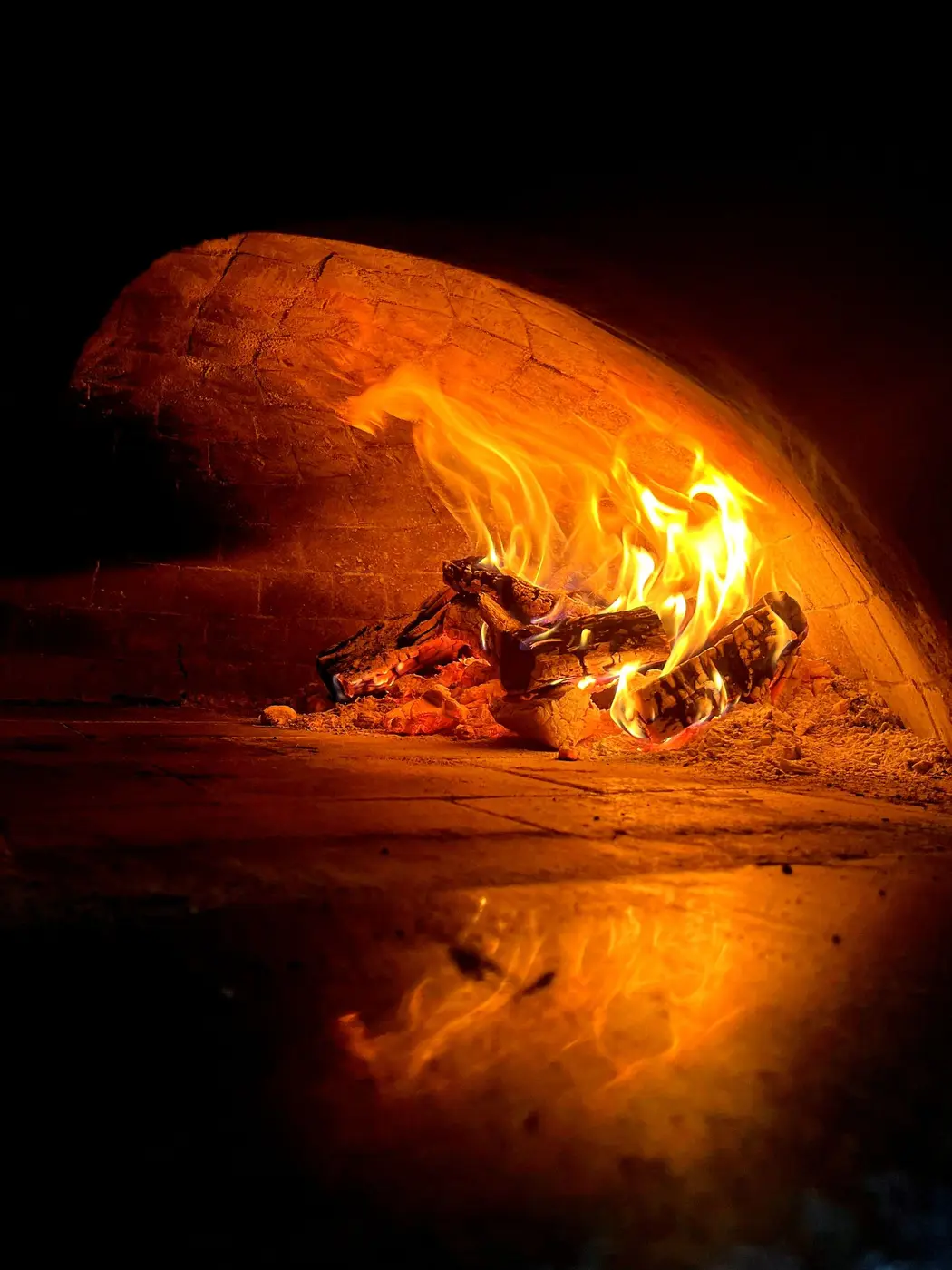
Building the fire, moving it, reading the dome, and holding temperature through a service — the practical method, including the mistakes that waste fuel and ruin bases.
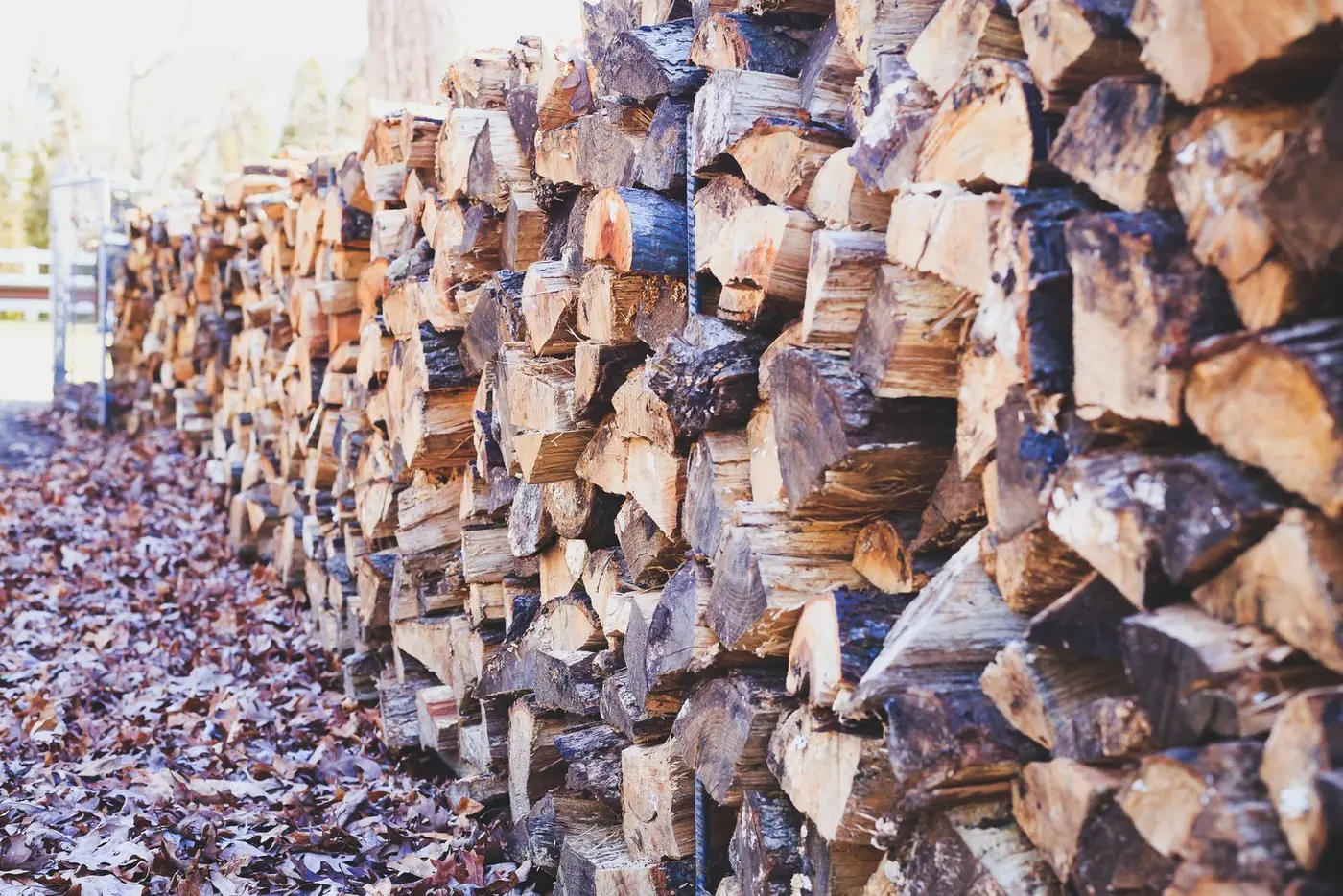
Which Kenyan hardwoods work, what seasoning actually means, how to store wood through the rains, and what must never go into an oven you cook on.
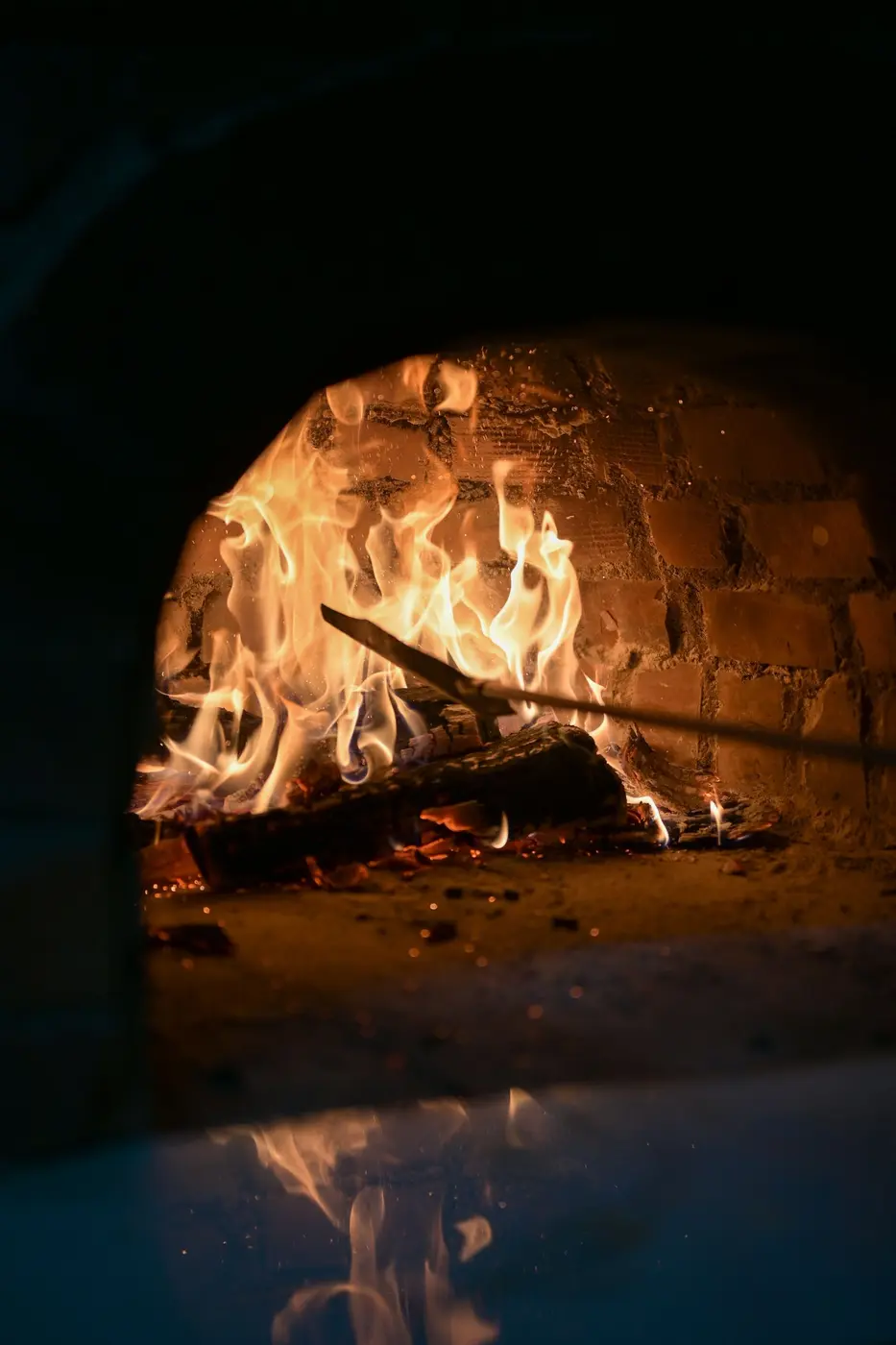
Why one number is not enough, what the two temperatures do to a pizza, target ranges for different products, and how to fix a burnt base or a pale top.
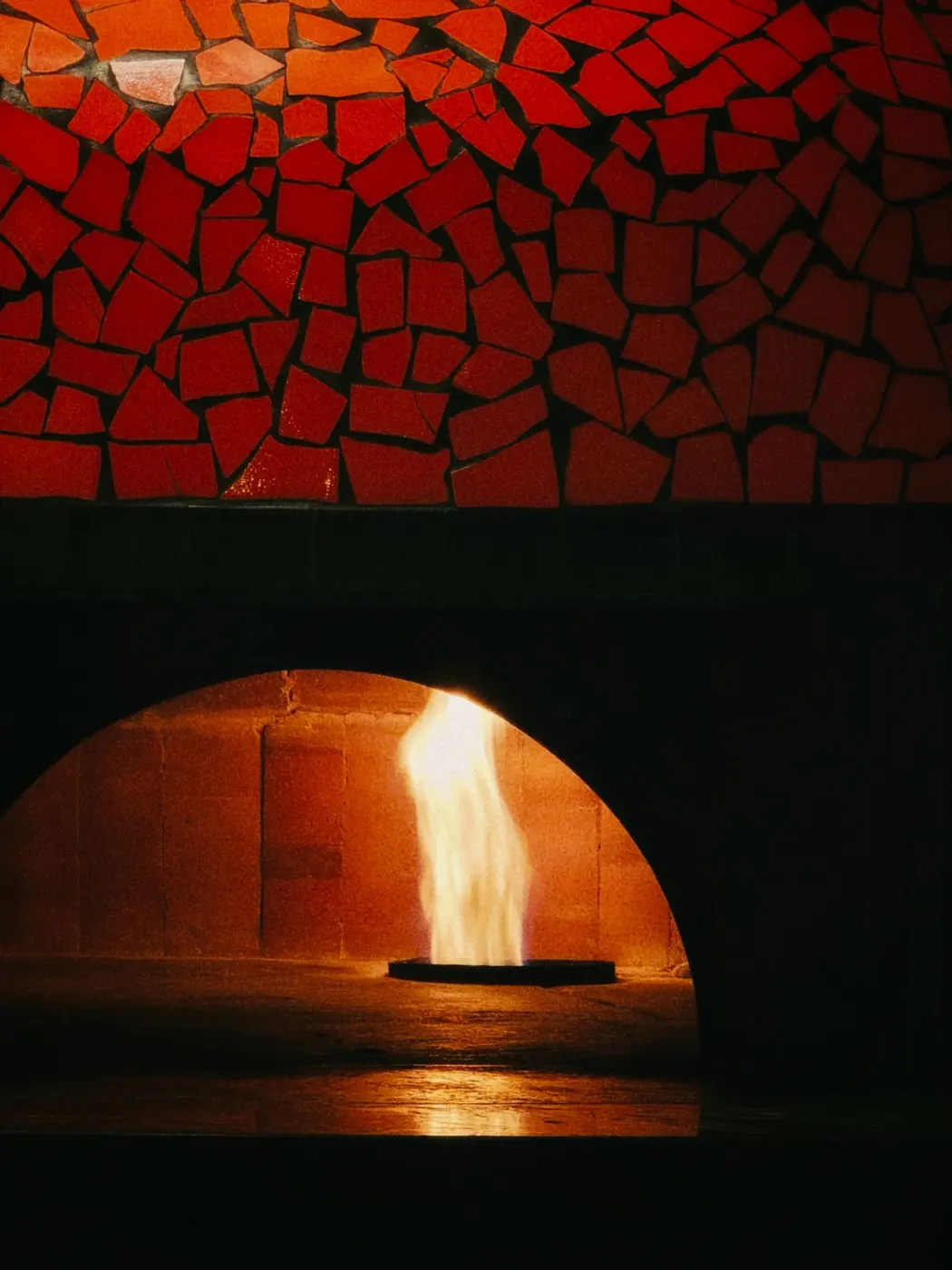
Daily, weekly, and annual tasks that keep an oven in service — and the two jobs that are genuinely urgent rather than merely advisable.
Which cracks are normal and which are not, what spalling means, and how to judge whether an oven needs a reline, a repair, or replacing.