Mon–Sat 08:00–18:00 EATWhatsApp
Category
LPG-fired brick ovens for kitchens that need heat on demand without managing a wood fire.
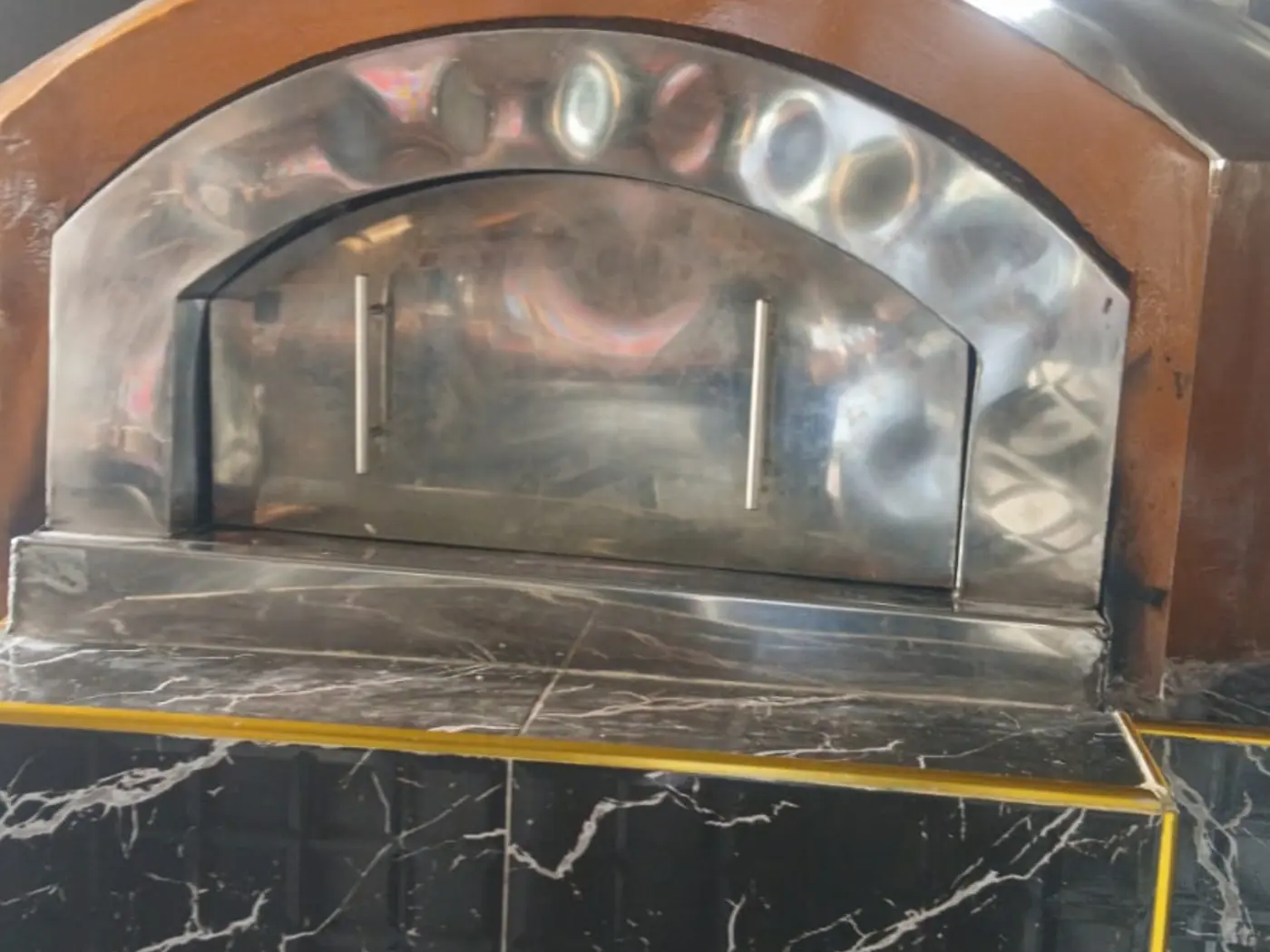
The same firebrick dome and refractory build as our wood-fired ovens, with an LPG burner in place of a wood fire. You get working temperature in about 35 minutes, held steady for as long as the kitchen is open, with no fire to tend and no ash to clear.
Hotel kitchens running split shifts, mall and airport units with strict extraction rules, and any operation where the person who lights the oven is not the person who cooks on it. Gas removes a dependency on fire-management skill that you may not have on every shift, and it holds a set temperature without the drift of a wood fire burning down.
It also needs a smaller flue — 150 to 180 mm against 200 to 250 for wood — which is frequently what makes a brick oven possible on a constrained site. How flue sizing works.
Gas gives you the heat but not the smoke. The floor is the same firebrick, the bake is the same 60 to 90 seconds, and the dome does the same radiant work — but the flavour a wood fire contributes is not there. If that matters to your menu, look at a hybrid rather than talking yourself into gas.
Roughly 1.2 to 1.5 kg of LPG an hour at holding temperature on a 100 cm dome, rising to 1.8 to 2.2 on a 120 cm. Over a twelve-hour trading day that is enough for bulk supply to be worth pricing against cylinders. Full consumption figures.
The burner is a sealed unit at the dome perimeter, flame-failure protected, and serviceable without breaking into the refractory. We commission it and handle the certification your insurer will ask for, and the annual burner service is part of our maintenance schedule.
If there is any chance you will want wood later, size the flue for wood at build time and run gas through it in the meantime. Retrofitting a larger flue afterwards means opening up structure and is sometimes impossible.
Subcategories
2 products
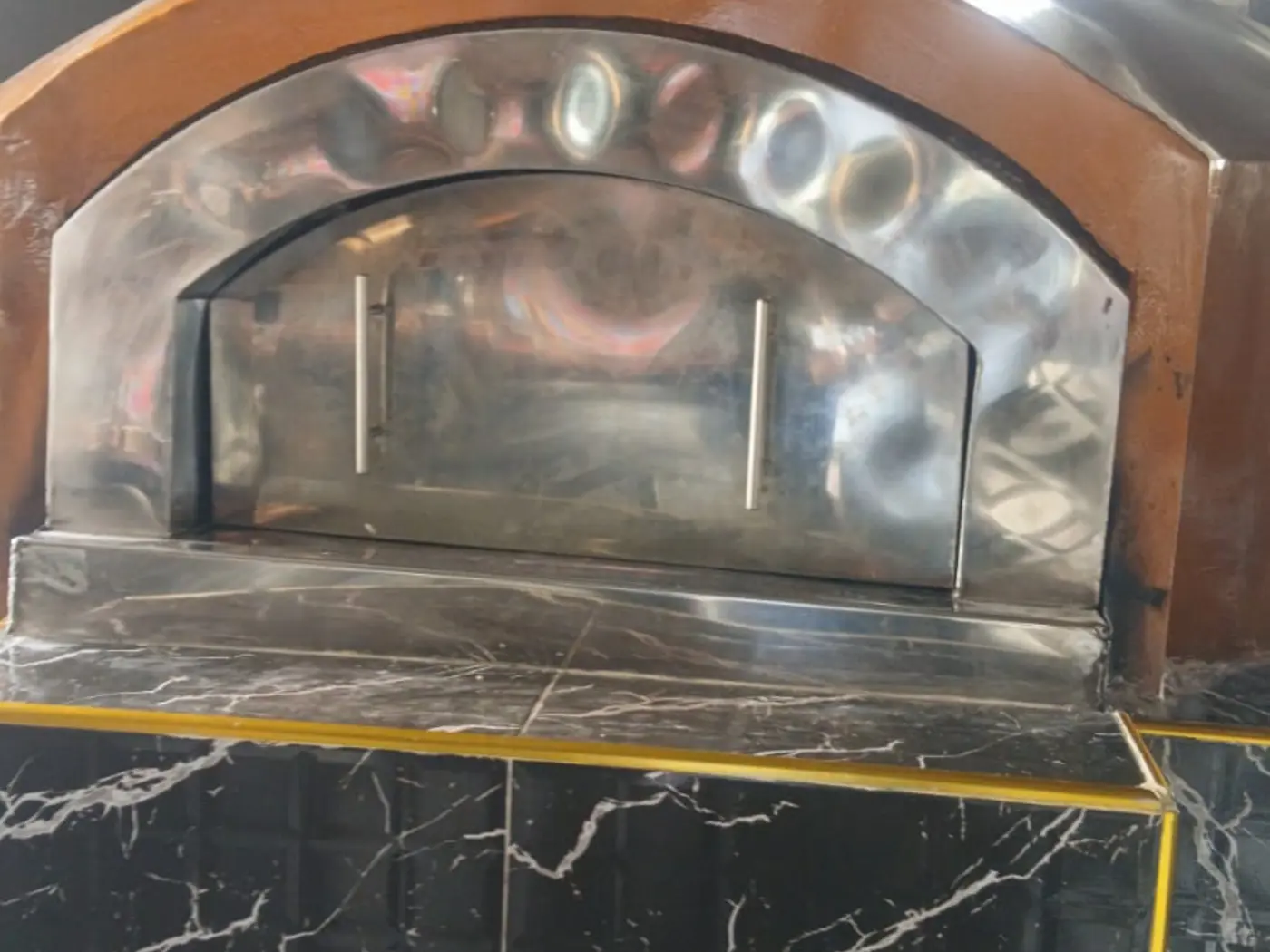
The same firebrick dome, heat at the turn of a valve.
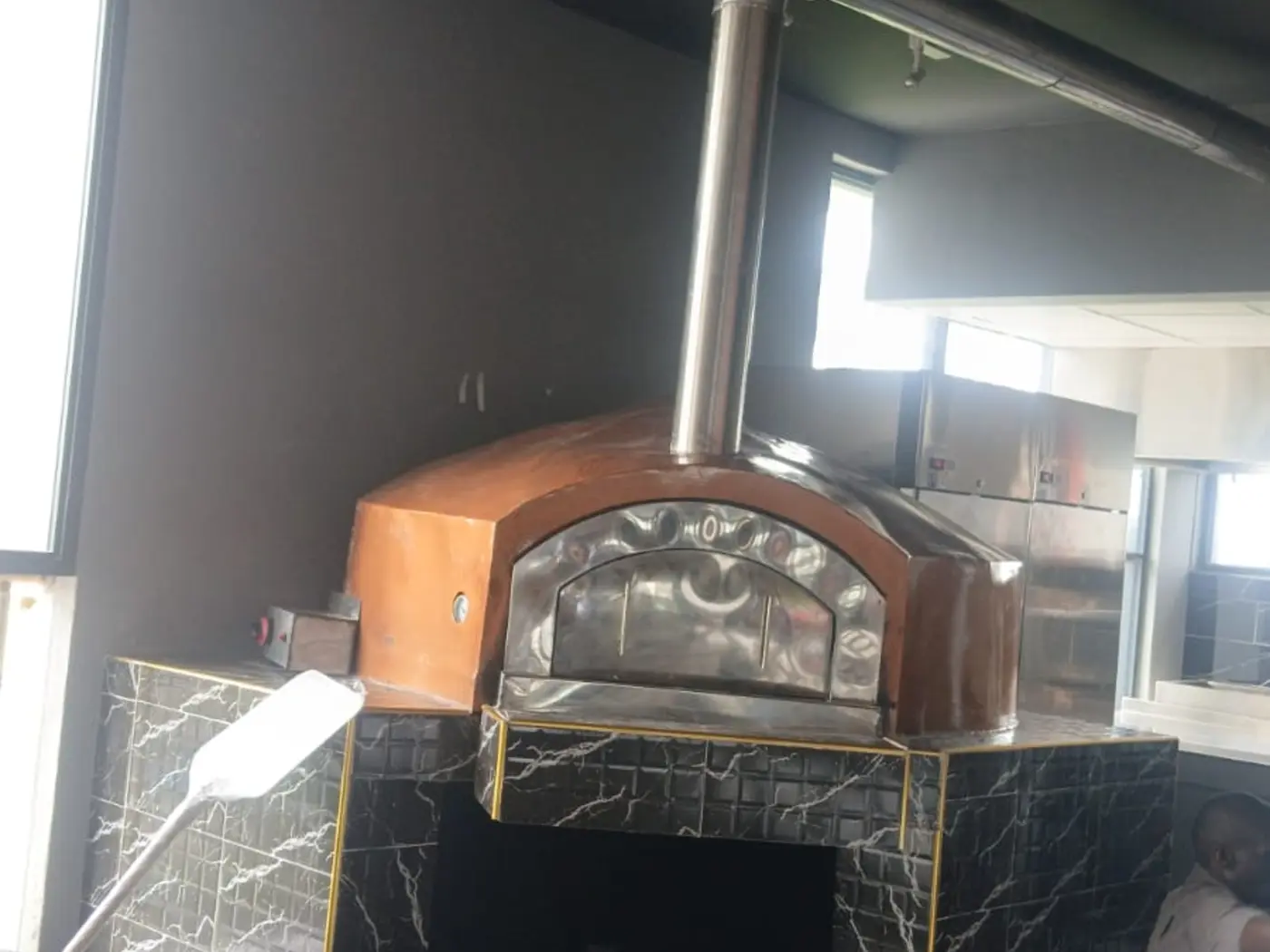
High-volume gas for kitchens that cannot manage a fire.