Running Your Oven
A Pizza Oven Maintenance Schedule
Daily, weekly, and annual tasks that keep an oven in service — and the two jobs that are genuinely urgent rather than merely advisable.
A brick oven is a low-maintenance piece of equipment, which is exactly why maintenance gets forgotten until something stops. Most of what follows takes minutes; the annual items take a morning.
Kitchens on a schedule lose far less trading time than those that call when the oven has already failed.
Daily
- Brush the hearth while the oven is still warm. A brass or natural-bristle brush; never wire on firebrick.
- Clear ash into a metal container. Embers survive far longer than people expect — never into anything combustible.
- Glance at the dome for new cracks or flaking while it is clear and lit.
- Close the door at shutdown. Retains heat overnight and cuts the next firing significantly.
Never use water on a hot hearth. Thermal shock cracks brick, and the moisture has to come back out of the structure afterwards.
Weekly
- Deeper hearth clean. Cold oven, scrape off carbonised spills, brush out thoroughly.
- Check the flue draw. A fire that is slower to establish than usual is the earliest sign of a restriction.
- Inspect the mouth and arch — the highest thermal-cycling area, where cracks appear first.
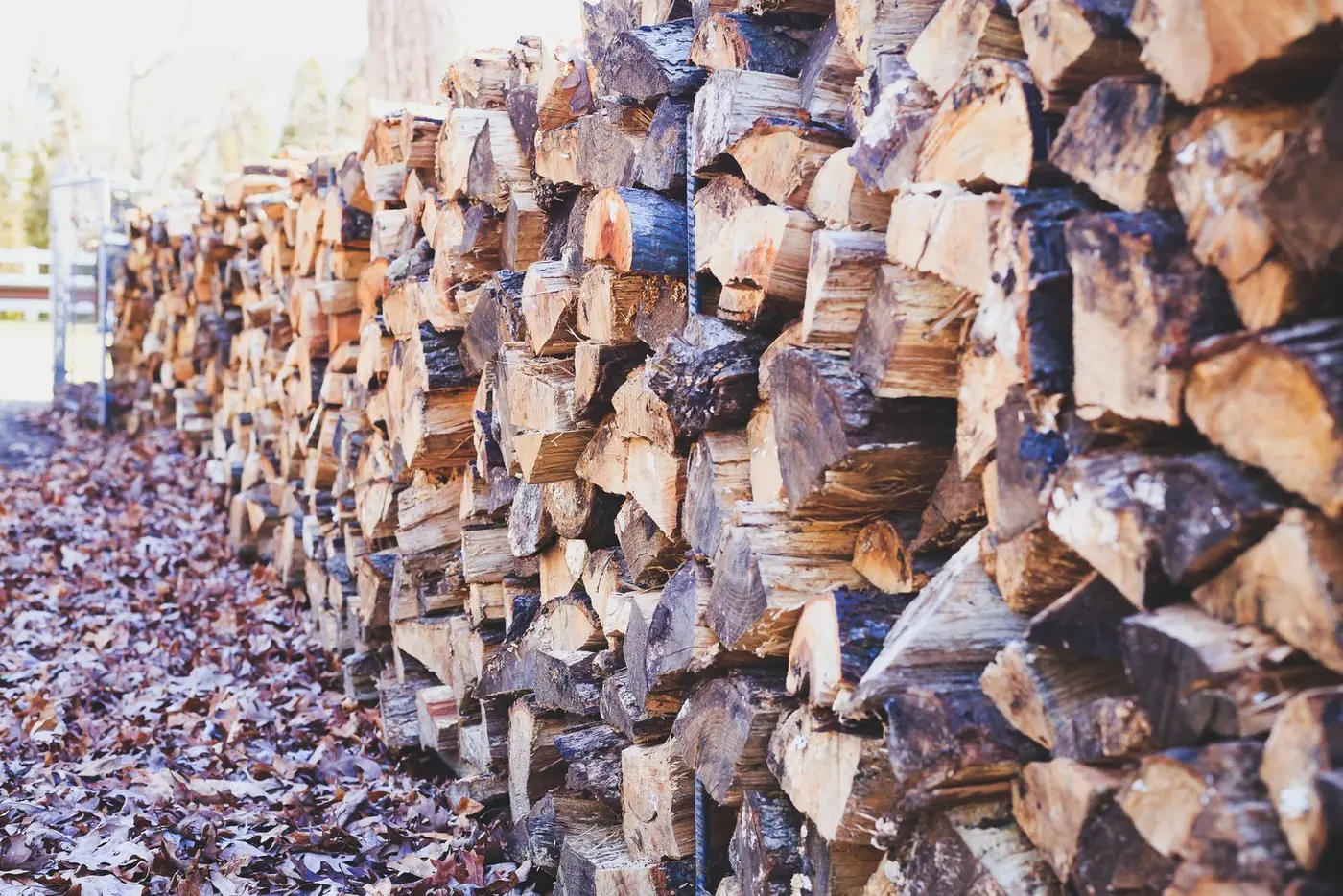
- Check the wood store is dry and rotating oldest-first. See choosing firewood.
Monthly
- Look at the outer render for water ingress, particularly outdoors after rain. Wet insulation is dead insulation.
- Check the rain cap and flashing are intact.
- Review your temperature notes. If the oven takes longer to reach temperature than it did six months ago, something has changed — often insulation.
- Gas ovens: visual check of burner flame. It should be stable and blue. Yellow, lifting, or noisy means a service.
Annually — the two urgent ones
Flue sweep. Not advisable, necessary. Creosote accumulates in any wood-fired flue and it burns. A chimney fire in a commercial kitchen is a serious event and one your insurer will ask about. Annually for most operations; twice yearly for seven-day wood service, and more often if you have been burning anything less than properly seasoned.
Gas burner service. Burner tuning, flame-failure device test, and the certification your insurer expects. Annually, without exception.
Annually — the advisable ones
- Full refractory inspection. Dome, hearth, arch, and the dome-to-hearth junction, cold and properly lit.
- Hearth tile assessment. Individual worn tiles are cheap to replace now and expensive to ignore.
- Insulation check where accessible, particularly if heat retention has declined.
- Render and cladding made good before water gets in.
We cover all of this in one visit under servicing and maintenance.
What not to do
- Never use water on hot brick. The commonest self-inflicted damage there is.
- Never use a wire brush on the hearth. It scores the surface and embeds steel that later rusts and stains.
- Never use detergent inside. Firebrick is porous. It absorbs, and then it flavours your food.
- Never seal the outside with an impermeable coating. The structure has to breathe; trapping moisture is how you spall a dome from the inside.
- Never ignore a growing crack. Stable cracks are common and usually harmless. Growing ones are not.
Seasonal, for outdoor ovens
Before the rains: check render, flashing, and rain cap. Make good anything doubtful — it is far cheaper than replacing wet insulation.
After a long unused period: do not go straight to full temperature. Two or three moderate fires over as many days drive out absorbed moisture. This is a short version of the curing schedule and it prevents a crack in an oven that was previously sound.
Keeping a log
A single page by the oven — date, what was done, anything noticed — is enough. It tells you when the flue was last swept, gives a new manager the history, and turns "the oven seems slower lately" into something with a date attached.
It also makes an insurance conversation considerably easier, and it is the difference between catching a problem as a reline and discovering it as a rebuild.
Tools worth having
- Brass or natural-bristle oven brush on a long handle. Never wire — it scores firebrick and embeds steel that later rusts.
- Metal ash shovel and a lidded metal bin. Embers survive far longer than people expect.
- Infrared thermometer. As much a diagnostic tool as a cooking one — a change in heat-up time is an early warning.
- A torch. Inspecting a cold dome properly needs raking light to show cracks that are invisible under a work lamp.
- A camera. Photograph any crack you are unsure about, with something for scale, and date it. Next year's photograph tells you whether it is stable.
Handing over to a new manager
Ovens outlast staff. What should transfer with the role:
- When the flue was last swept, and where the access point is.
- The firing routine, including typical time to temperature.
- Where the wood comes from and what has been rejected before.
- Any known cracks, photographed and dated.
- Who services it, and when the next visit is due.
A single laminated page by the oven covers all of it and prevents the slow drift where nobody quite knows the oven's history.
Closing an oven down for a period
If the site closes for a renovation or a season, the oven wants protecting rather than abandoning. Sweep the flue before rather than after, cover the mouth to keep animals and debris out, confirm the rain cap is sound, and if outdoors check the render before you leave it.
Coming back, do not fire it hard. Two or three moderate fires over as many days drive out moisture absorbed while it stood — a short version of the curing schedule, and it prevents cracking an oven that was previously sound.
What an annual visit costs against what it prevents
A service visit is a morning. An unswept flue that catches fire closes a kitchen and involves your insurer. A hearth tile left until the bed beneath is damaged turns a cheap swap into a reline. An insulation failure left unaddressed wastes fuel every day it continues.
None of these are dramatic individually, which is exactly why they get deferred. The schedule exists so they do not have to be remembered.