Mon–Sat 08:00–18:00 EATWhatsApp
Category
One oven, two fuels — gas for weekday service, wood when the flavour matters.
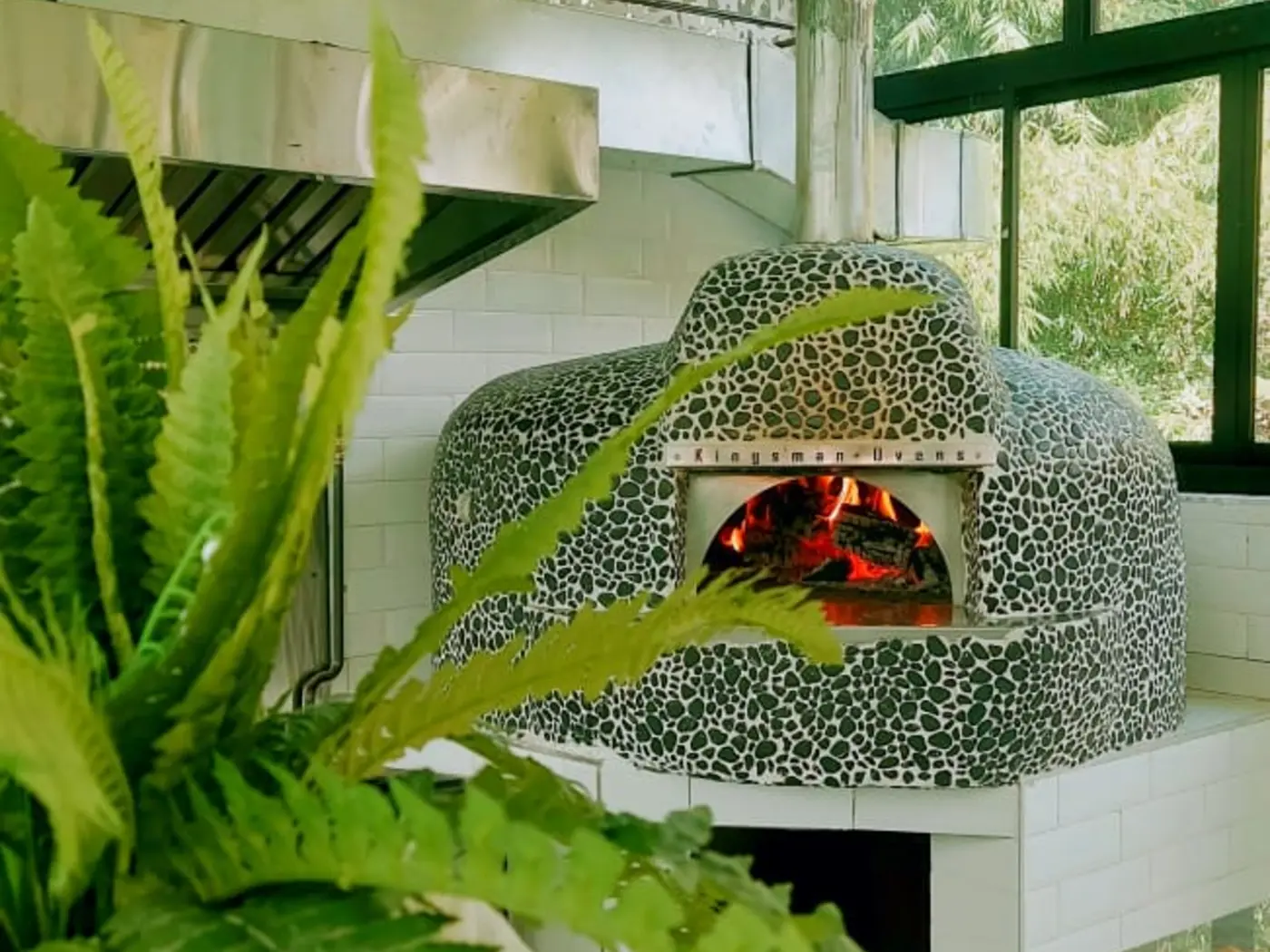
A convertible dome runs on gas for weekday service and switches to wood when the menu or the room calls for it. One oven, one footprint, one flue, and a few minutes to change between them.
Most kitchens choosing between wood and gas are really describing two different trading patterns. Weekday lunch wants heat on demand, consistency, and no dependency on a skilled fire-tender. Saturday night wants smoke, char, and a fire that guests can see.
A hybrid runs either. The burner sits at the dome perimeter for gas operation; take it out of service and the same floor takes a wood fire in the conventional way.
It costs more than a single-fuel oven of the same size, and it is not worth it if ninety per cent of your service would use one fuel. You would be paying for capability you never touch, and that money would do more work in a larger dome or a better finish.
We say this at survey rather than after. If your trading pattern is genuinely one-sided, buy the single-fuel oven. The comparison in full.
The hearth and dome are built to run a real wood fire, and the flue is sized for wood at 200 mm — the larger of the two requirements — so draw is correct on either fuel. This is a wood oven that can also run gas, not a gas oven with a wood option bolted on.
A few minutes to take the burner out of service and lay a fire, or the reverse. The practical constraint is temperature rather than mechanics: going from a wood service to gas means clearing embers and ash first.
One visit covers burner tuning, flame-failure testing, flue sweep, and refractory inspection. The flue needs sweeping more often than a gas-only oven because wood produces creosote — a difference in frequency, not an extra contract. What a service covers.
Subcategories
1 product
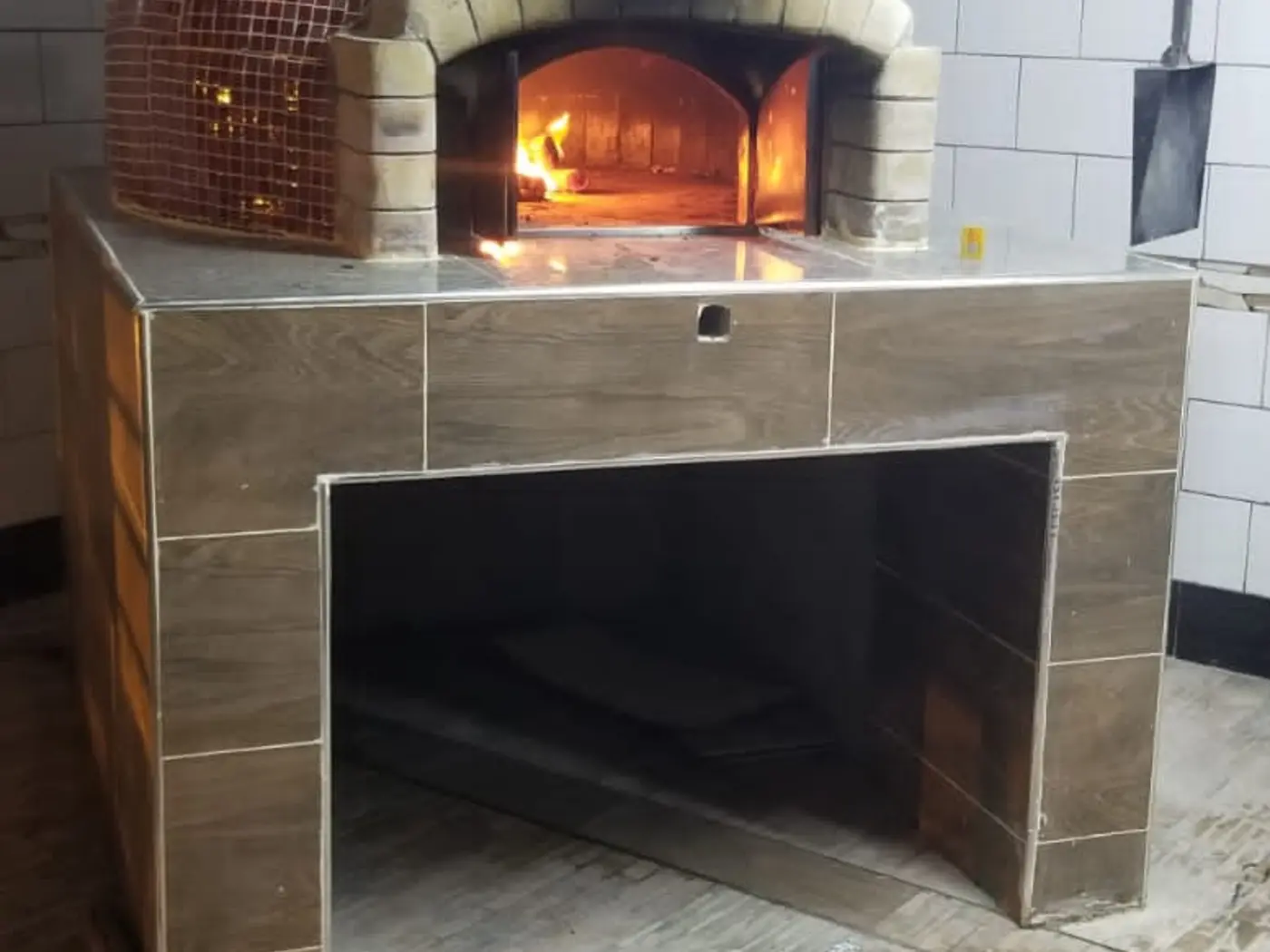
Gas on a Tuesday, wood on a Saturday. One oven, one flue.