Mon–Sat 08:00–18:00 EATWhatsApp
Wood-Fired Ovens · Subcategory
High-mass builds that hold temperature through a full service rather than sagging.
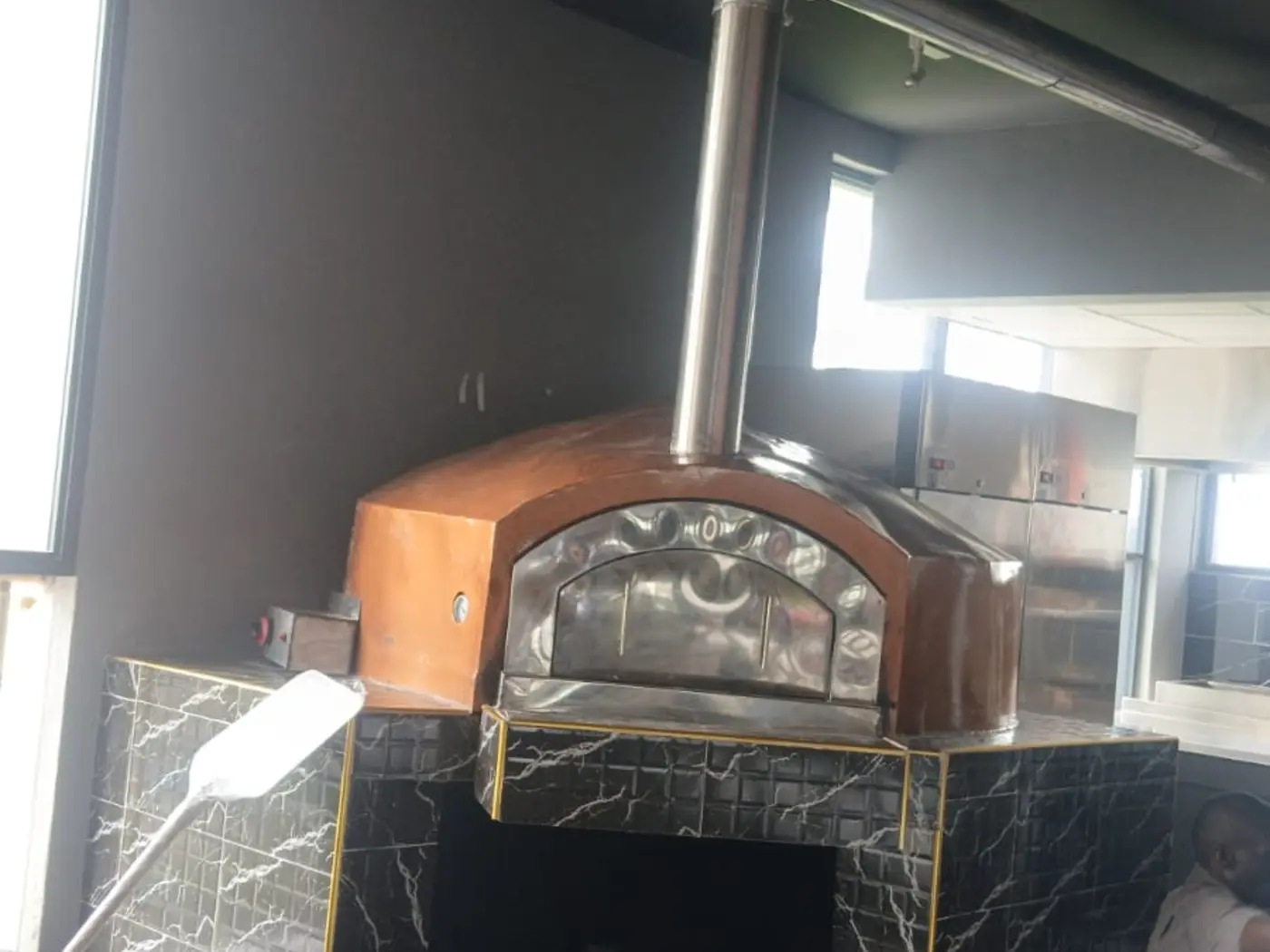
Commercial builds are not simply larger domestic ovens. They carry more hearth mass specifically so the cooking floor recovers between launches instead of walking downward through a busy service.
Every cold base takes heat out of the floor by contact. A domestic oven loses temperature and takes its time coming back — unnoticeable on a Saturday afternoon, obvious by the twentieth pizza on a Friday evening. The full difference.
Mouth width, so two operators can work the oven without colliding. Flue diameter, because a bigger fire produces more combustion gas and needs more draw. And hearth specification, because a commercial floor sees a domestic oven's year of peel movement in a fortnight.
A 100 cm dome covers most pizzerias at 40 to 50 an hour. Step up to 120 cm only if your peak hour genuinely exceeds fifty — it takes twice as long to heat and burns proportionally more fuel for the rest of its life.
A commercial wood oven needs someone who can build and manage a fire, every service. That is a real staffing dependency, and it is the reason many hotel and multi-shift operations end up on gas despite preferring wood.
It also needs dry fuel storage close to the oven but off your service line — roughly a tonne a month for a 100 cm oven in six-day trade — and ash cleared daily into a metal container. None of that is difficult; all of it needs planning at the design stage rather than improvising afterwards.
The economics improve sharply if you never let the oven go fully cold. A warm dome reaches working temperature in roughly half the time and on far less wood, which is why seven-day kitchens see much better fuel figures than the headline numbers suggest. Good insulation is what makes that possible.
1 product
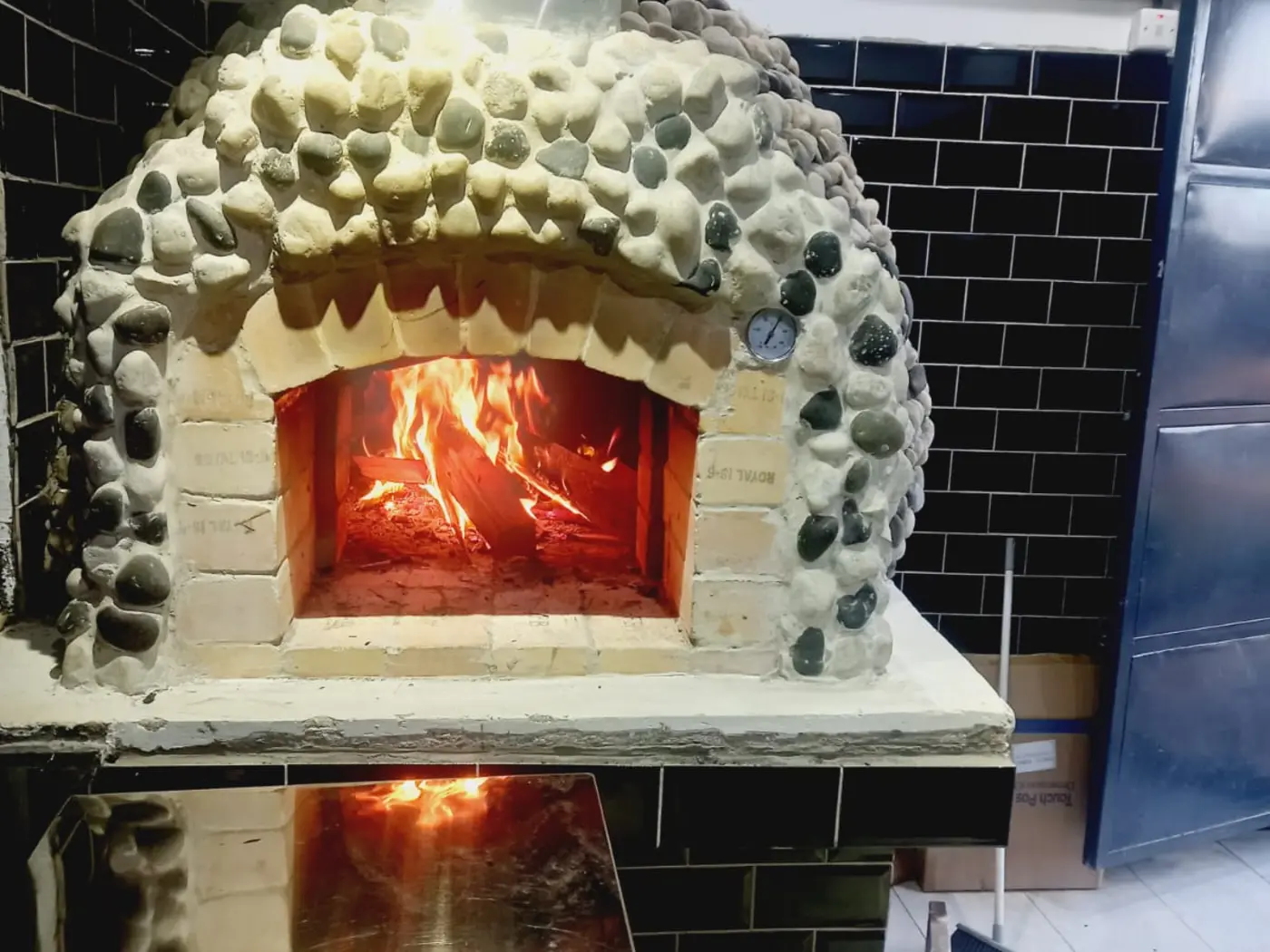
High-volume 120 cm dome for kitchens running two operators.