Building & Installation
What Actually Goes Into a Brick Pizza Oven
Firebrick, refractory castable, ceramic fibre, rockwool, calcium silicate — what each layer does, why substituting the cheap version fails, and the five questions that reveal a bad build before the render hides it.
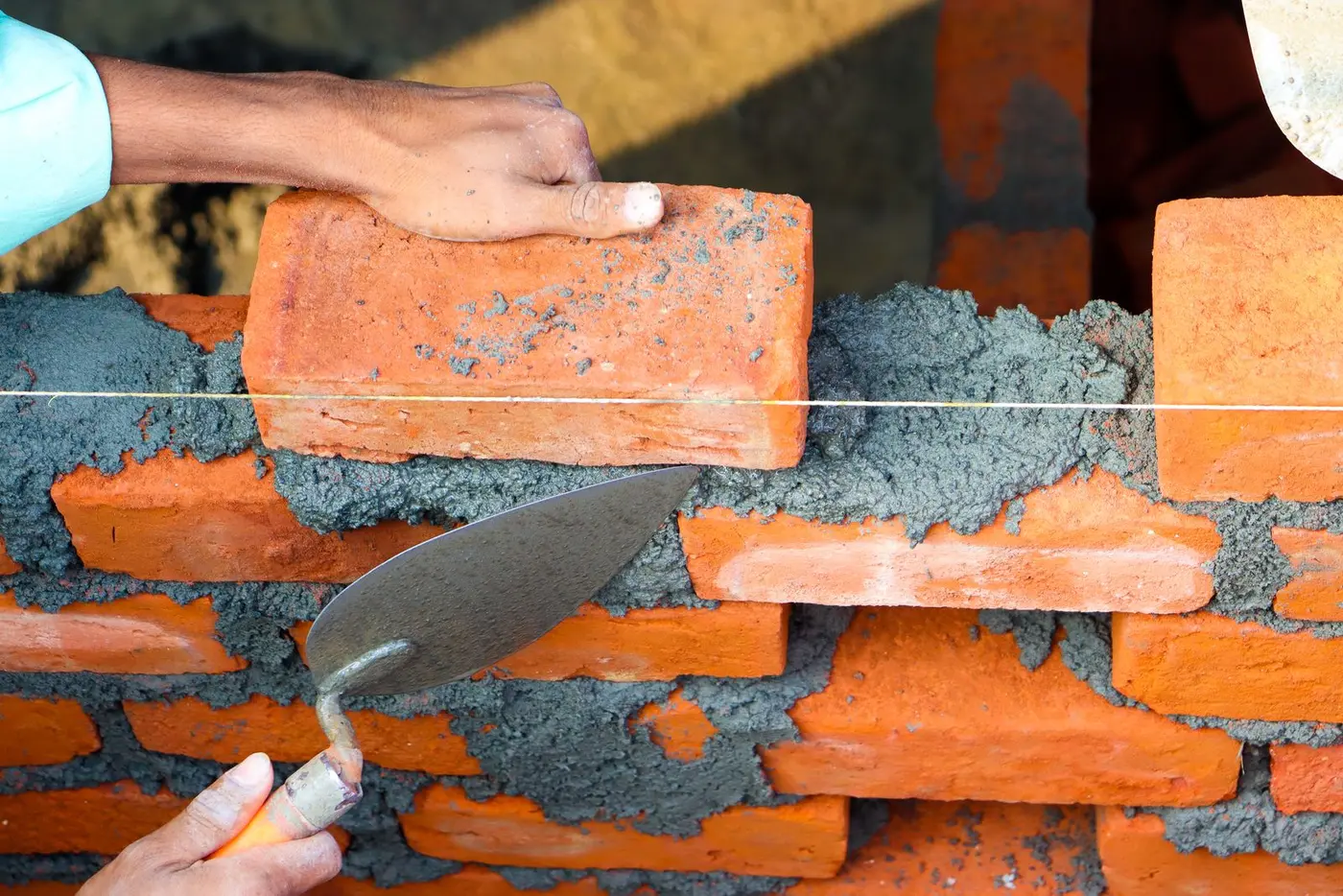
From the outside every brick oven looks like a rendered dome. What separates one that holds heat for twelve hours from one that is cold by closing time is entirely invisible once it is finished.
Which is exactly why it is worth understanding before you buy. Here is each layer, working outward from the fire.
Calcium silicate base board
Sits under the cooking floor. Its only job is to stop heat conducting downward into the stand and away from where you need it.
Without it, a significant share of every fire goes into warming masonry you are not cooking on. You cannot see that it is missing, you will not notice on handover day, and you will pay for it in fuel at every firing for the life of the oven.
It is one of the cheapest components in the build and among the most frequently omitted.
High-alumina firebrick hearth
The cooking floor. It has to survive direct flame, thermal shock from cold dough landing on hot brick repeatedly, and years of a steel peel scraping across it.
High-alumina brick handles all three. Ordinary building brick does not — it spalls, then crumbles, and it cannot be repaired in place. The difference is covered properly in fire bricks explained.
Laid dry rather than mortared, individual tiles can be lifted and swapped as they wear without disturbing the dome. Mortared floors turn a morning's repair into a major intervention.
Cut firebrick dome in refractory castable
The dome shape is what makes a brick oven work. A curved roof reflects radiant heat back down onto the cooking floor, which is why a 60–90 second Neapolitan bake is possible at all. Get the profile wrong — too tall, too shallow — and the oven never cooks properly however hot it gets.
The bricks are bedded in refractory castable, a cement formulated for sustained high temperature. Ordinary Portland cement fails at oven temperatures. Not immediately, which is the trap, but predictably. See castable versus mortar.
Ceramic fibre blanket
First insulation layer, directly against the dome, typically 50 mm. It tolerates very high temperatures where other insulation degrades, and it conforms to the dome shape without gaps.
Fit matters more than thickness. A carefully fitted 50 mm layer outperforms a sloppy 75 mm one, because heat escapes through gaps rather than through material.
Rockwool
Second insulation layer, typically 100 mm. Ceramic fibre handles the extreme temperature nearest the dome; rockwool provides bulk retention further out at lower cost per millimetre.
This combination is why a well-built oven is still usefully warm the next morning — and why it is the first thing cut when someone is quoting cheap. Our insulation guide explains why two different materials rather than more of one.
Render or cladding
The outer skin. Structurally it does little; its job is weatherproofing outdoors and appearance indoors.
This is the layer you can economise on freely. A rendered oven performs identically to a mosaic one. Spend here only where customers can see it.
The flue
Insulated twin-wall, sized to the oven and the fuel. It determines draw, which determines whether the fire burns properly and whether smoke leaves the building or rolls back into your kitchen.
Single-skin flue cools the gases, kills the draw, and accumulates creosote faster. It is cheaper and it is a false economy. See flue and siting.
How the layers work together
It helps to think of the oven as a battery rather than a fire. The firebrick stores energy; the insulation stops it leaking; the dome shape directs it where you want it. A weakness in any one layer undermines the others.
Excellent brick with poor insulation gives you an oven that heats fast and cools faster. Excellent insulation with a poor dome profile gives you a hot box that will not bake a pizza in ninety seconds. They are a system.
Five questions that reveal a bad build
You mostly cannot inspect this once it is rendered. So ask before it is:
- Is there a calcium silicate board under the hearth?
- Is the hearth high-alumina firebrick, and is it laid dry or mortared?
- How thick is the ceramic fibre, and how thick is the rockwool over it?
- Is the flue insulated twin-wall, and what diameter?
- What is the curing schedule, and who runs it?
A builder working properly answers all five precisely. One who waves them off is telling you something. The fuller checklist is in what to ask before hiring a builder.
Why we can answer for every layer
Brillian stocks these materials directly — high-alumina firebrick, refractory castable, ceramic fibre, and rockwool — because we supplied them to industrial clients across East Africa before we built ovens with them.
That is the practical reason we can tell you the specification of every layer in an oven we build, rather than reporting what a supplier told us. It is also why relining someone else's oven is work we take on routinely.
What each layer costs you if it is wrong
It is worth being concrete about consequences rather than just specifications:
- No calcium silicate board: heat drains into the stand at every firing. Permanent fuel penalty, invisible, unfixable without stripping the hearth.
- Building brick hearth: spalls within a season or two, then crumbles. Full hearth replacement.
- Mortared rather than dry-laid floor: works fine until a tile wears, at which point a morning's repair becomes a major intervention.
- Ordinary cement in the dome: joints crumble after one or two seasons. Progressive, and eventually a rebuild.
- Thin or badly fitted insulation: oven never holds heat overnight, costs more to run forever, and heats your kitchen instead of your pizza.
- Single-skin flue: poor draw for the life of the oven, faster creosote accumulation, smoke in the room.
Note how many of these are permanent rather than repairable. That asymmetry is the reason to get the specification right at the outset rather than economising and revisiting.
How the layers fail together
Failures propagate. Wet insulation lets the dome cool faster, which means longer firings at higher temperatures, which accelerates thermal cycling on the hearth. A poor flue means incomplete combustion, more soot, and a fire that has to be run harder to reach temperature.
Which is why a diagnosis that starts with the obvious symptom often ends somewhere else. An oven that "will not get hot" is frequently an insulation problem or a draw problem rather than anything wrong with the fire.
Buying materials yourself
Some clients want to supply their own brick, usually to save money. It can work, and we will build with materials you provide — but the warranty then covers our workmanship rather than the structure, because we cannot stand behind refractory we did not specify.
If you go that route, buy on specification rather than on appearance: alumina content and rated service temperature, from a supplier who can state both. We are happy to tell you what to ask for even if you buy elsewhere.