Mon–Sat 08:00–18:00 EATWhatsApp
Gas-Fired Ovens · Subcategory
Firebrick domes fired on gas — working heat in 35 minutes, held without tending.
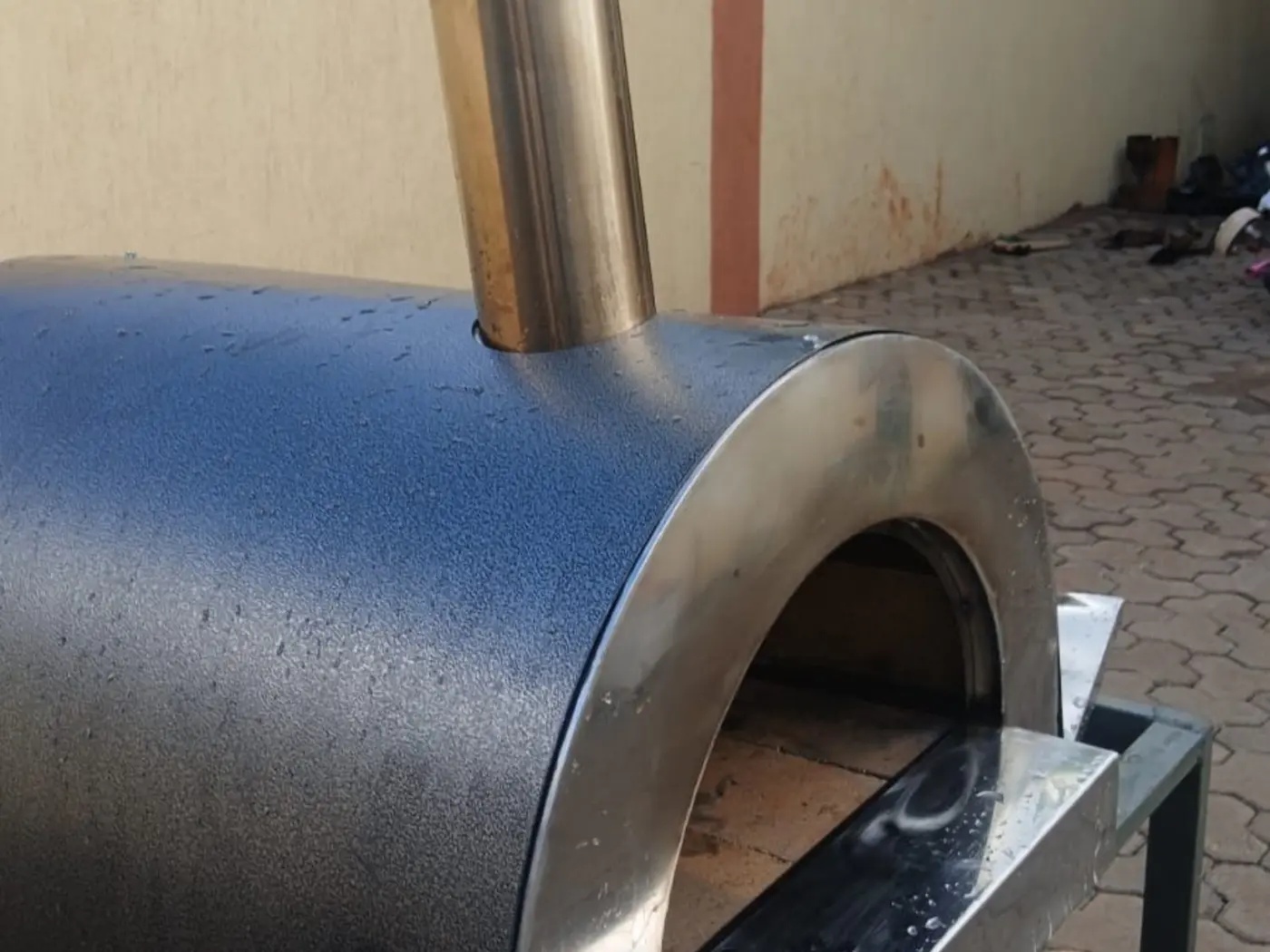
The same firebrick dome as our wood-fired builds, with a sealed LPG burner at the dome perimeter instead of a fire. Working temperature in about 35 minutes, held steady without anyone tending it.
Time, consistency, and independence from fire-management skill. The oven comes up during setup at the turn of a valve and holds a set temperature through a long trading day without the drift of a fire burning down.
Also a smaller flue — 150 to 180 mm against 200 to 250 for wood — which frequently decides whether a constrained site can take a brick oven at all.
Smoke. The floor is the same firebrick and the bake is the same 60 to 90 seconds, but the flavour a wood fire contributes is not there. If that matters to your menu, look at a convertible dome rather than talking yourself into gas.
Flame-failure protected, serviceable without breaking into the refractory, and certified at installation. See the 100 cm gas build.
Around 1.2 to 1.5 kg of LPG an hour at holding temperature on a 100 cm dome. For a site trading five hours an evening that is roughly a 50 kg cylinder a week; for all-day operations, bulk supply is usually worth pricing against cylinders.
The burner is sealed, flame-failure protected, and sited at the dome perimeter where it can be serviced without breaking into the refractory. The cylinder or tank needs a ventilated, accessible position with a planned run to the oven rather than an improvised one.
Annual burner service, flame-failure test, and certification — the same visit that covers flue and refractory inspection. Gas ovens produce no creosote, so the flue needs sweeping less often than a wood installation, though it still needs checking. See what a service covers.
1 product
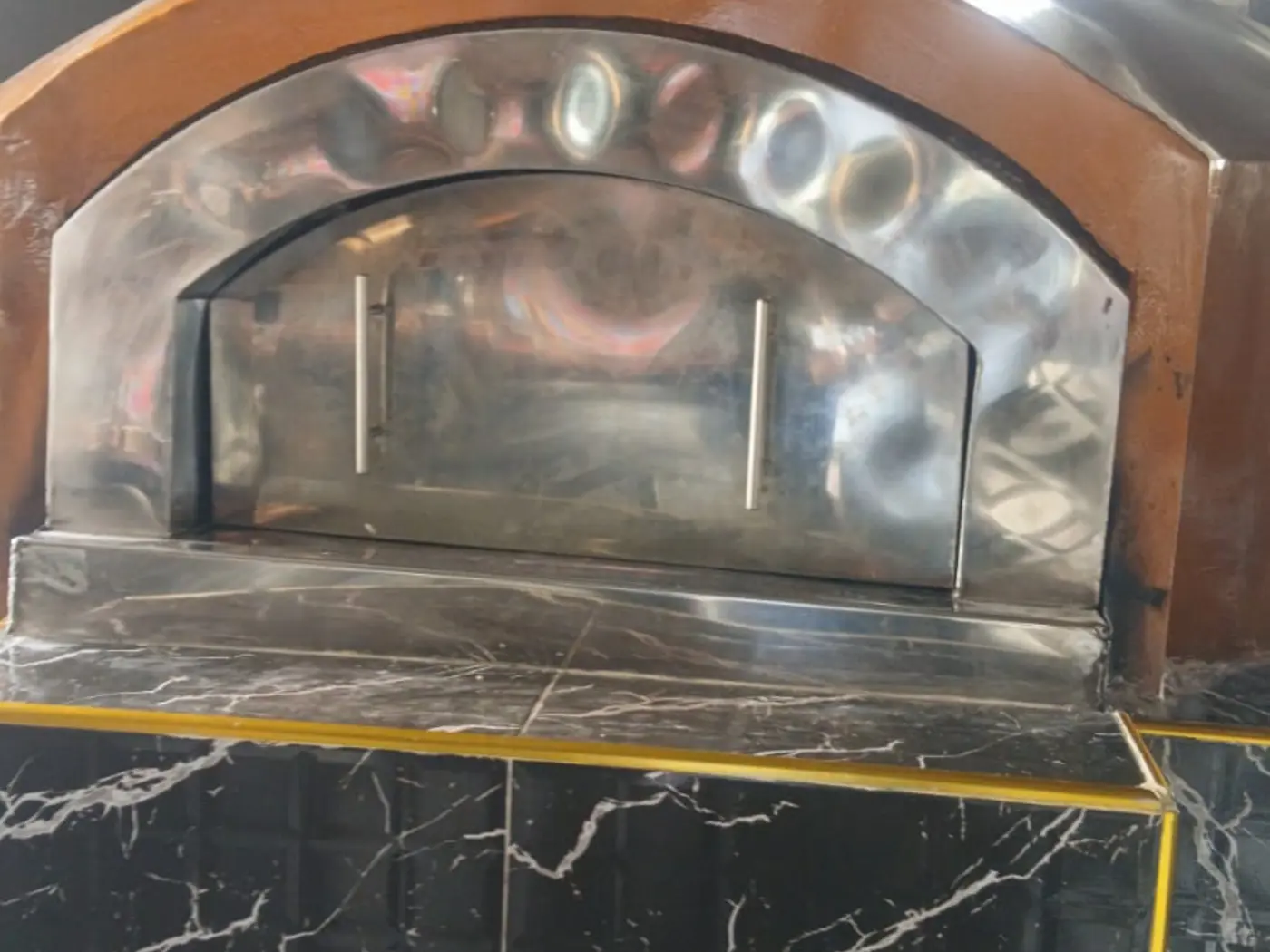
The same firebrick dome, heat at the turn of a valve.