Running Your Oven
How to Fire a Wood-Fired Pizza Oven
Building the fire, moving it, reading the dome, and holding temperature through a service — the practical method, including the mistakes that waste fuel and ruin bases.
A brick oven rewards technique more than equipment. Two operators with the same oven and the same wood will get noticeably different results, and the difference is almost entirely in how the fire is built and managed.
This is the method we teach at handover.
Before you light anything
Clear the hearth of yesterday's ash. Check the flue damper if you have one is open. Have your wood ready and to hand — kindling, small splits, and full-size pieces, sorted. Fumbling for fuel while a fire establishes is how fires go out.
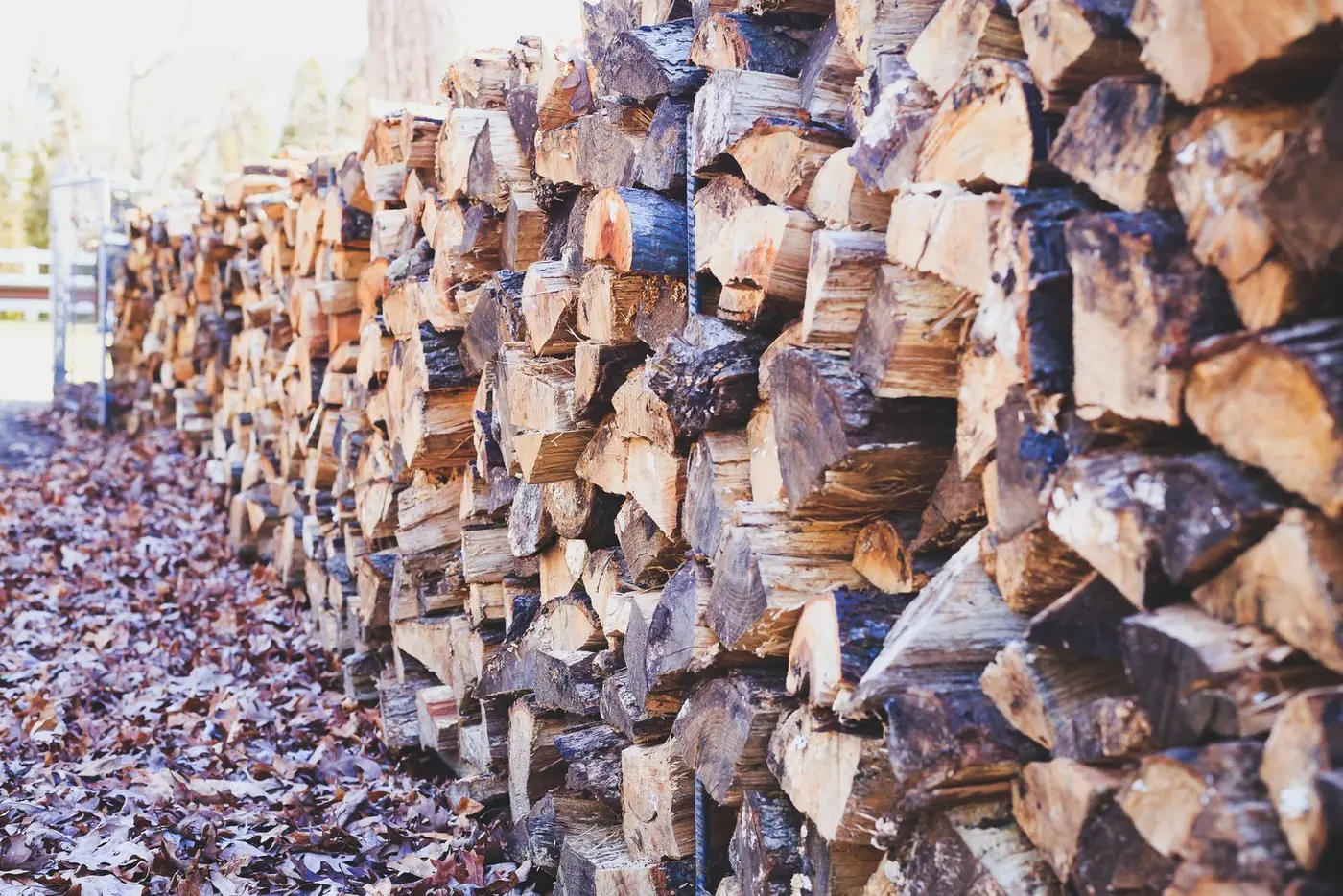
Use dry seasoned hardwood. Everything below assumes it; wet wood changes all of it for the worse.
Building the fire
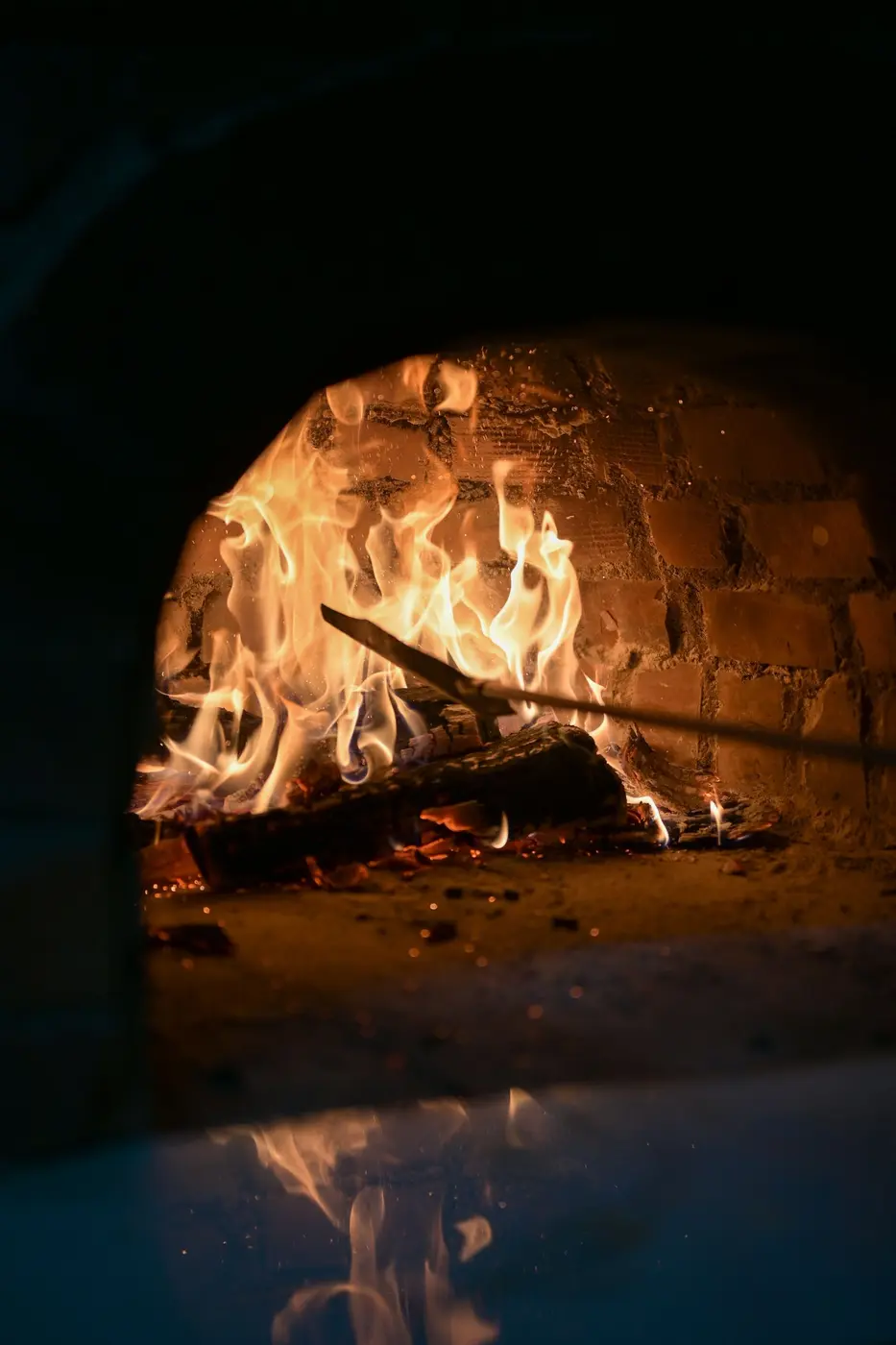
Start the fire near the mouth, not at the back. A cold flue does not draw, and a fire at the back of a cold oven will push smoke into the room until the flue warms up.
Build small: kindling, then small splits, established properly before you add anything substantial. A fire that is fed too fast smoulders and sooties the dome.
Once it is drawing well and burning cleanly — you will see the smoke thin and the flame brighten as the flue takes hold — move it progressively toward the centre, then to one side.
Why the fire moves to the side
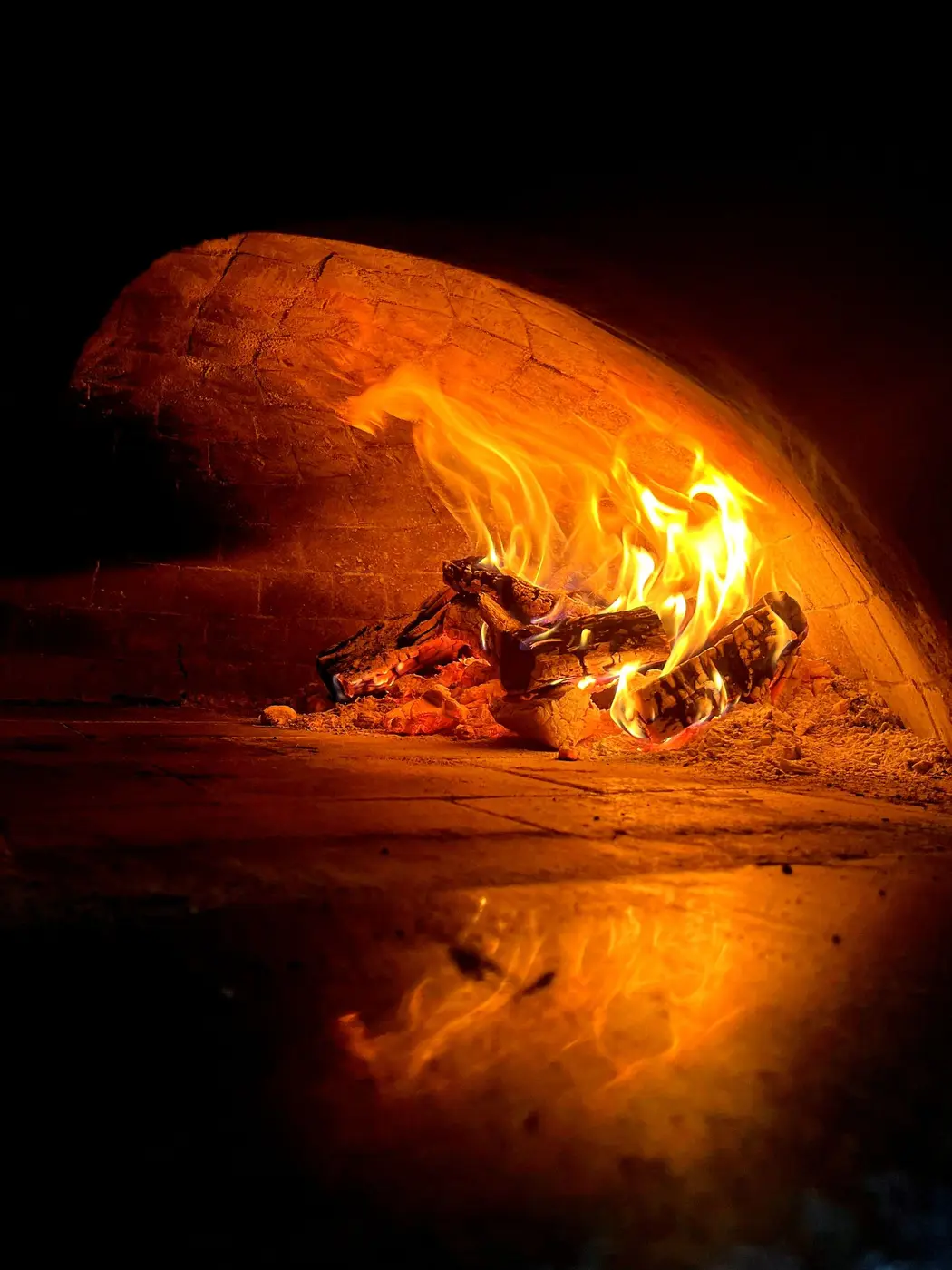
You are heating the dome and floor, not cooking over the fire. A fire held to one side lets flame roll across the dome, which heats the whole structure evenly, while leaving floor space free.
Straight up the middle heats one spot and wastes the rest of the oven.
Reading the dome
The oldest and most reliable indicator: watch the soot.
As the oven comes up, the dome blackens with soot. Then, as it passes roughly 350 °C, the soot burns off — starting at the crown and spreading down the sides. When the dome has gone clear white, the oven is at working temperature.
This is not folklore; it is a genuine phase change you can see, and it works in any oven regardless of instrumentation. Use it alongside a thermometer rather than instead of one — see floor versus dome temperature.
How long it takes
| Oven | From cold | From warm |
|---|---|---|
| 90 cm garden | ~60 min | ~30 min |
| 100 cm | ~90 min | ~45 min |
| 110 cm | ~100 min | ~50 min |
| 120 cm | ~120 min | ~60 min |
"From warm" means an oven fired the previous day and never allowed to go fully cold — which is both faster and considerably cheaper.
Holding temperature through service
Once you are at temperature, the job changes from building heat to maintaining it. Feed small pieces regularly rather than large logs occasionally. A steady small flame holds the dome; a big log dropped in drops the temperature while it catches, then overshoots.
Keep the fire to the side and keep it burning — a smouldering fire produces soot and no heat.
Managing the floor
The floor loses heat where pizzas sit and gains it from the dome and the fire. During a busy service the area nearest the fire runs hotter than the far side.
Experienced operators rotate their launching position around the floor rather than always using the same spot, which keeps the temperature even and stops one area cooling out. If the floor does drop, sweeping embers briefly across the cool area recovers it quickly.
Common mistakes
- Starting the fire at the back. Smoke in the room until the flue warms.
- Feeding too fast. Smouldering, sooting, and a fire that never establishes properly.
- Using wet wood. Roughly doubles fuel use, sooties the dome, and loads the flue with creosote.
- Cooking before the dome has cleared. The floor may be hot enough while the dome is not, giving you a burnt base and a pale top.
- Overshooting. Above about 500 °C on the floor, bases burn before the top cooks. Hotter is not better.
- Letting it go out mid-service. Recovery costs far more fuel and time than keeping a small flame alive.
Shutting down
Let the fire burn down rather than dousing it. Close the door if you have one — that retains heat overnight and makes the next day's firing dramatically cheaper.
Do not clear hot ash into anything combustible. Embers survive far longer than people expect, and ash bins are a recurring cause of avoidable fires.
Getting more from the same firing
After pizza service the oven still holds a great deal of usable heat. Roasts, vegetables, and slow-cooked dishes all work on the falling curve, and bread the next morning on what is left.
This is where the fuel economics genuinely improve, and it is covered in running costs. If cooking across the whole curve is central to your operation, our bakery and multi-purpose builds are designed around it.
A first service, step by step
Two hours before service on a 100 cm dome fired from warm:
- T-120: clear ash, check flue, lay kindling and small splits near the mouth. Light.
- T-105: fire established and drawing, smoke thinning. Begin adding small splits.
- T-75: move the fire progressively toward the centre, then to one side. Dome starts blackening with soot.
- T-40: soot begins clearing from the crown. Add a larger piece and let it establish.
- T-15: dome fully cleared and white. Check the floor with an infrared thermometer at your launching position.
- T-5: sweep the floor clean, bake a test base to confirm timing before the first order.
That test base matters. It tells you where the floor actually is before a customer's pizza does.
Recovering a floor that has dropped
Mid-service, if bases stop colouring, the floor has cooled where you are launching. Two fixes, in order:
Sweep embers briefly across the cool area with a metal peel, leave them thirty seconds, then sweep back. That transfers heat quickly and directly.
Longer term, move your launching position. Operators who always use the same spot cool it while the rest of the floor sits unused. Rotating around the floor keeps the whole hearth in play.
The door, and when to use it
A door is for retaining heat, not for cooking pizza. Closed during service it starves the fire; closed at shutdown it keeps the dome warm overnight and makes the next firing dramatically cheaper.
For bread and roasting on the falling curve, the door goes on — that is exactly the mode it exists for, holding a steady falling temperature with no live fire.
Teaching someone else
Firing is a skill and it transfers badly by description. When you train an operator, have them run a full firing from cold under supervision rather than watching one. The judgement — how big is too big, when to move the fire, what the soot is telling you — only comes from doing it.