Mon–Sat 08:00–18:00 EATWhatsApp
Category
High thermal-mass brick ovens for bread, roasts, and slow cooking on retained heat.
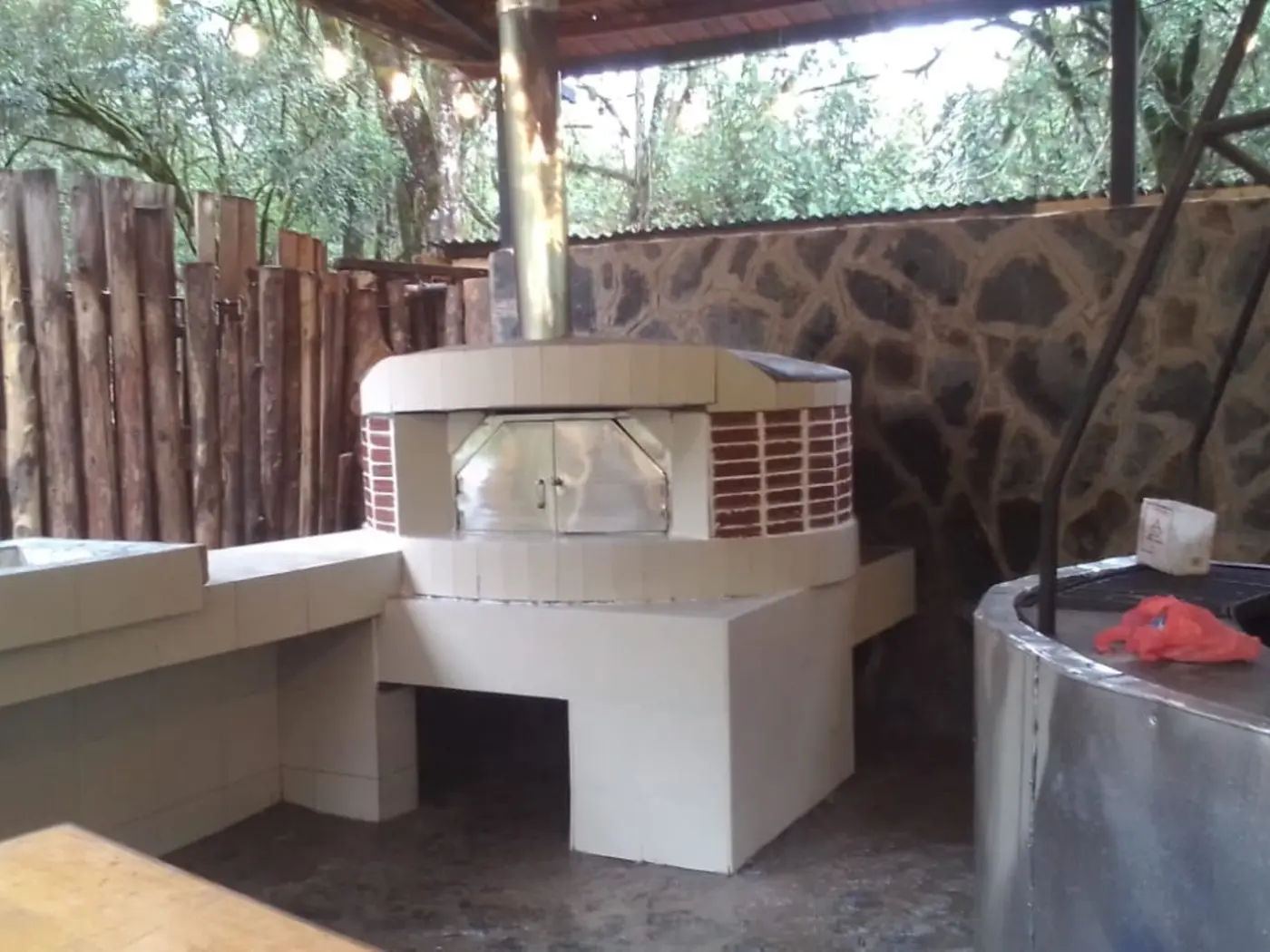
Bread wants a different oven to pizza — more mass, a longer heat curve, and a floor that holds temperature through a full bake rather than spiking and recovering. These builds carry a thicker hearth and heavier insulation so a single firing takes you from bread at 300 °C down through roasts and slow cooking on retained heat.
A pizza oven is built to recover fast between 90-second bakes. A bread oven is built to hold a steady, slowly falling temperature for hours, so a loaf can set its crust, expand, and finish through without the floor crashing when forty loaves go in at once.
Our 130 cm bakery build uses a 100 mm hearth against the 65 mm we use for pizza, with doubled ceramic fibre and rockwool. It takes about three hours to charge and then holds usable heat for most of a working day.
Bread at 280 to 300 °C, roasts as it falls through 220 °C, then slow cooking and drying below that. Planning the day around the curve is where the fuel economics turn decisively in favour of brick over a deck oven. The arithmetic is here.
A round dome floor fights bread tins and gastronorm pans. A barrel vault gives a rectangular floor with consistent roof height, which takes standard trays without improvised supports and spreads heat more evenly front to back.
If you bake bread and also serve pizza, that shape is usually the better compromise.
For crusty hearth breads and sourdough it makes a real difference to oven spring and crust; for tinned and enriched breads far less. It has to be built in at construction rather than retrofitted, so it is a decision to make before we start.
The more mass, the more water bound into it, and the longer it takes to leave. A 2.6-tonne oven needs a full three days at the low end of the curing schedule. We run those fires ourselves — rushing them cracks hearths.
Subcategories
1 product
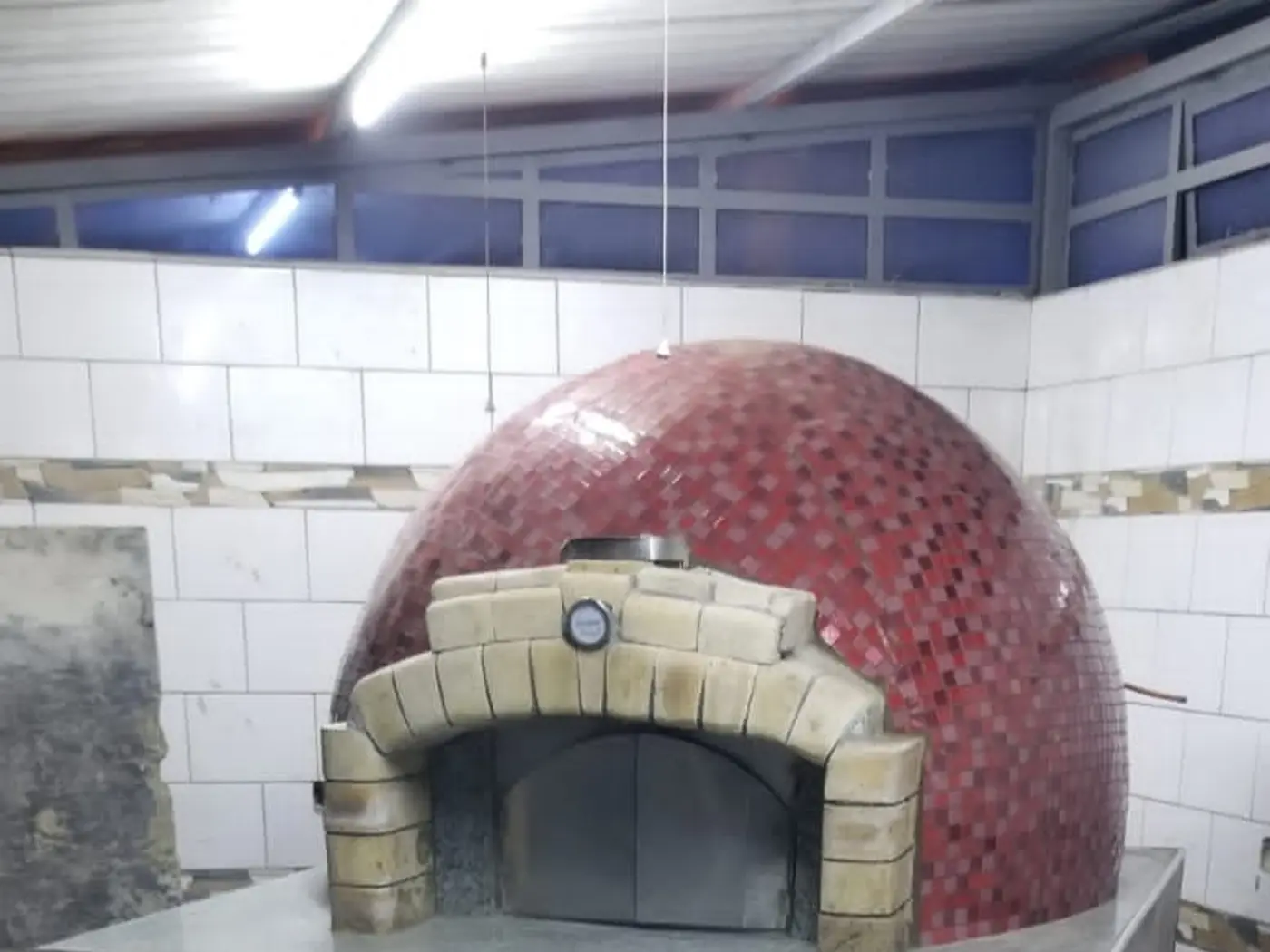
Heavy hearth, long heat curve — an oven built for bread.