Buying Guides
What to Ask Before Hiring a Pizza Oven Builder
Once the render goes on you cannot inspect the build. Eleven questions that separate a builder working properly from one cutting the corners you will pay for later.
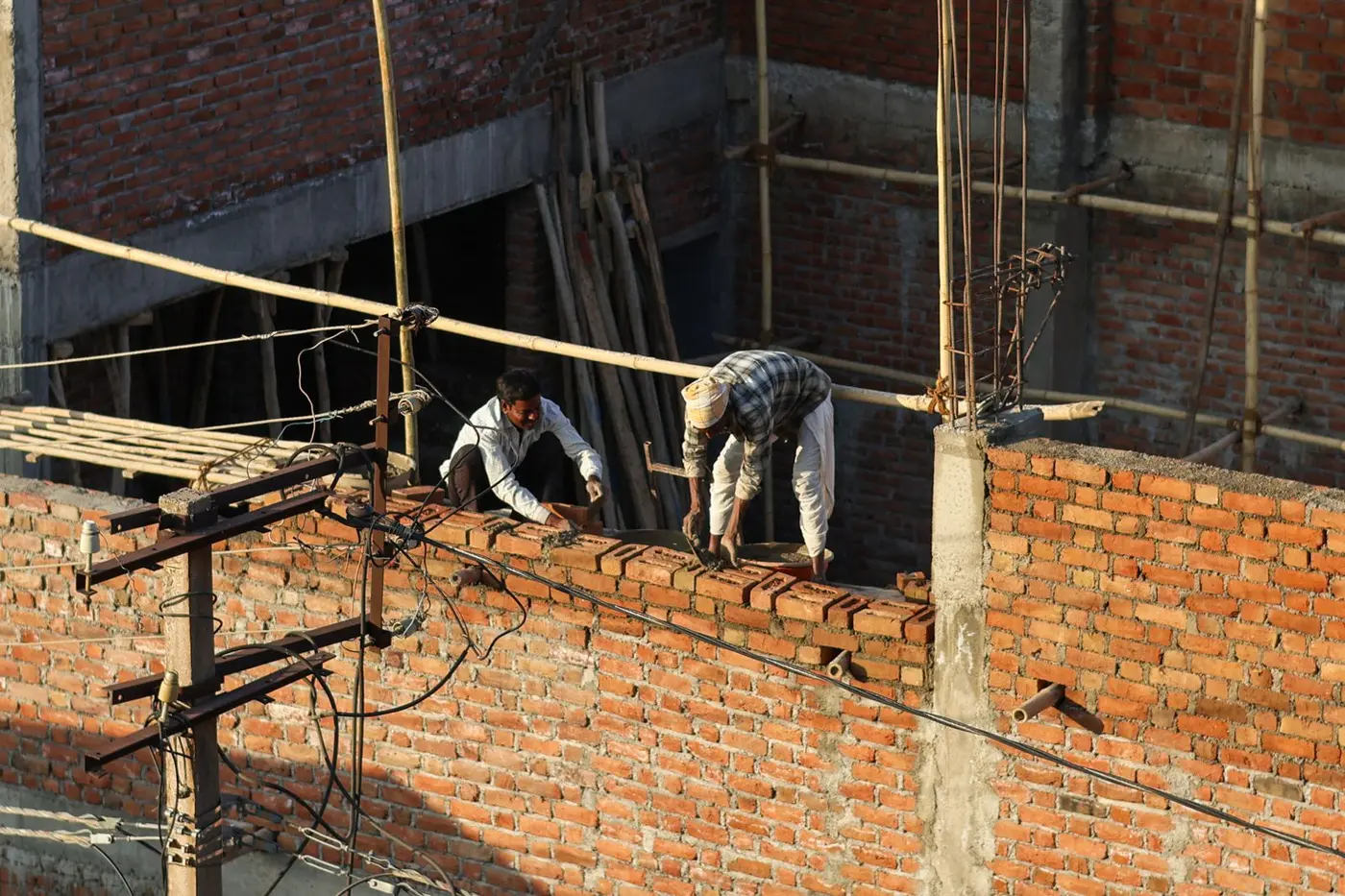
The uncomfortable truth about buying a brick oven is that you cannot inspect the important parts. Once the render is on, the hearth, the insulation, and the dome construction are permanently hidden. You are buying on trust.
So ask before, not after. These are the questions we would ask if we were commissioning an oven from someone else — and yes, we expect to answer all of them ourselves.
About the build
1. Is there a calcium silicate board under the hearth?
Its job is to stop heat conducting downward into the stand. Without it a significant share of every fire warms masonry you are not cooking on. It is cheap, invisible, and routinely omitted.
2. What is the hearth made of, and is it laid dry or mortared?
It should be high-alumina firebrick, laid dry. Dry-laid tiles can be lifted and replaced individually after years of peel abrasion. Mortared floors turn a routine repair into a major job. Ordinary building brick spalls and should not be there at all — see fire bricks explained.
3. How thick is the insulation, and what is it?
Ask for both layers by name and thickness. Ours is 50 mm ceramic fibre against the dome and 100 mm rockwool over it. A builder who answers "it's insulated" is telling you something. Why the two layers differ is worth understanding before you ask.
4. What binds the dome?
Refractory castable, not ordinary cement. Ordinary cement fails at oven temperatures — not immediately, but predictably. We cover the distinction in castable versus mortar.
5. What is the flue diameter and where does it terminate?
It should be insulated twin-wall, sized to the oven and the fuel, terminating above the roofline. If the answer is a single-skin pipe finishing under an eave, expect smoke in your kitchen. See flue and siting.
About the process
6. Will you survey the site before quoting?
A quote given over the phone without seeing floor loading, flue route, and working space is a guess. It will change, and it will change upward.
7. Who runs the curing schedule, and how long is it?
This is the question that most reliably separates the careful from the quick. Six days minimum for a standard dome. A builder who hands over an uncured oven with a printed sheet has transferred the riskiest week of the oven's life to you — and rushing it cracks domes.
8. Will you fire it to working temperature before handover?
You want the oven proven hot, with you present, before you pay the balance. Any reluctance here is informative.
9. What happens if it cracks in the first year?
Get the warranty in writing, and get it to distinguish between structural failure and normal render movement. Fine hairline cracks in outer render are normal and not a defect. A cracked dome is.
About the people
10. Can I see an oven you built that is two or three years old?
Anyone can show you a photograph taken on handover day. What matters is how the oven looks after several hundred firings, and whether the owner would use the same builder again. Ask to speak to them without the builder present.
11. Where do your materials come from?
A builder who sources refractory ad hoc for each job is at the mercy of whatever the supplier had that week. It is a fair question, and the answer tells you how consistent their builds are likely to be.
Warning signs
- A quote produced without a site visit.
- Vagueness about insulation thickness or hearth material.
- A curing schedule shorter than six days, or handed to you as your responsibility.
- No written warranty.
- Pressure to pay the full amount before the oven has been fired.
- A price far below the others with no explanation of what is different. Something invisible has been removed.
What a good builder will ask you
The questioning runs both ways. Expect to be asked about your peak-hour covers, what else you cook, your trading pattern, your staffing, and whether you have a fixed opening date. A builder who does not ask these is going to sell you a standard oven regardless of whether it fits.
And expect to be talked out of things occasionally. We regularly tell clients that a 100 cm dome will serve them better than the 120 they asked for, or that a single fuel suits them better than a hybrid. That conversation costs us money on the day and saves it for the client for years.
Our answers
Calcium silicate under the hearth. High-alumina firebrick, laid dry, 65 mm. Fifty millimetres of ceramic fibre plus 100 mm of rockwool. Refractory castable throughout. Insulated twin-wall flue sized to the oven and terminated above roofline. Free survey across Kenya before any quote. Six-day curing schedule run by our team. Fired to working temperature at handover. Two years structural, one year on burners.
We stock the refractory ourselves — firebrick, castable, ceramic fibre, rockwool — which is why we can answer for every layer. Ask us the same eleven questions and hold the answers against whoever else you are considering.
What a good quote looks like on paper
A quote worth comparing names its materials. It says high-alumina firebrick, 65 mm, dry-laid rather than "quality fire bricks". It states insulation as two layers with thicknesses. It gives a flue diameter and a termination point. It sets out a curing schedule with a number of days attached.
A quote that says "supply and build one pizza oven" with a single figure is not comparable with anything, and the ambiguity is rarely in your favour. Ask for the specification in writing before you compare prices, because otherwise you are comparing numbers attached to different products.
Three situations where we would tell you to use someone else
You need it in ten days. We cannot cure an oven properly in that time and will not pretend otherwise. Someone else may take the job; the oven will crack.
You want a very small domestic oven and you are three hundred kilometres from Nairobi. The travel cost would exceed what the work is worth. A competent local mason working to a published specification is a better use of your money, and our materials guide is written so you can hold them to it.
Your real problem is extraction, not the oven. Occasionally a survey concludes that no viable flue route exists at the position you want. Building the oven anyway would be taking your money for something that will disappoint.
Checking the work you cannot see
Ask to visit during construction, before the insulation goes on. Ten minutes on site at that stage tells you more than any amount of documentation: you can see the hearth, see the dome courses, see whether the ceramic fibre is being dressed tightly into the junction or bunched around it.
A builder confident in their work will welcome it. Reluctance at that specific moment is worth taking seriously.