Mon–Sat 08:00–18:00 EATWhatsApp
Bakery & Multi-Purpose Ovens · Subcategory
Heavy hearths and doubled insulation for a long, falling bread curve.
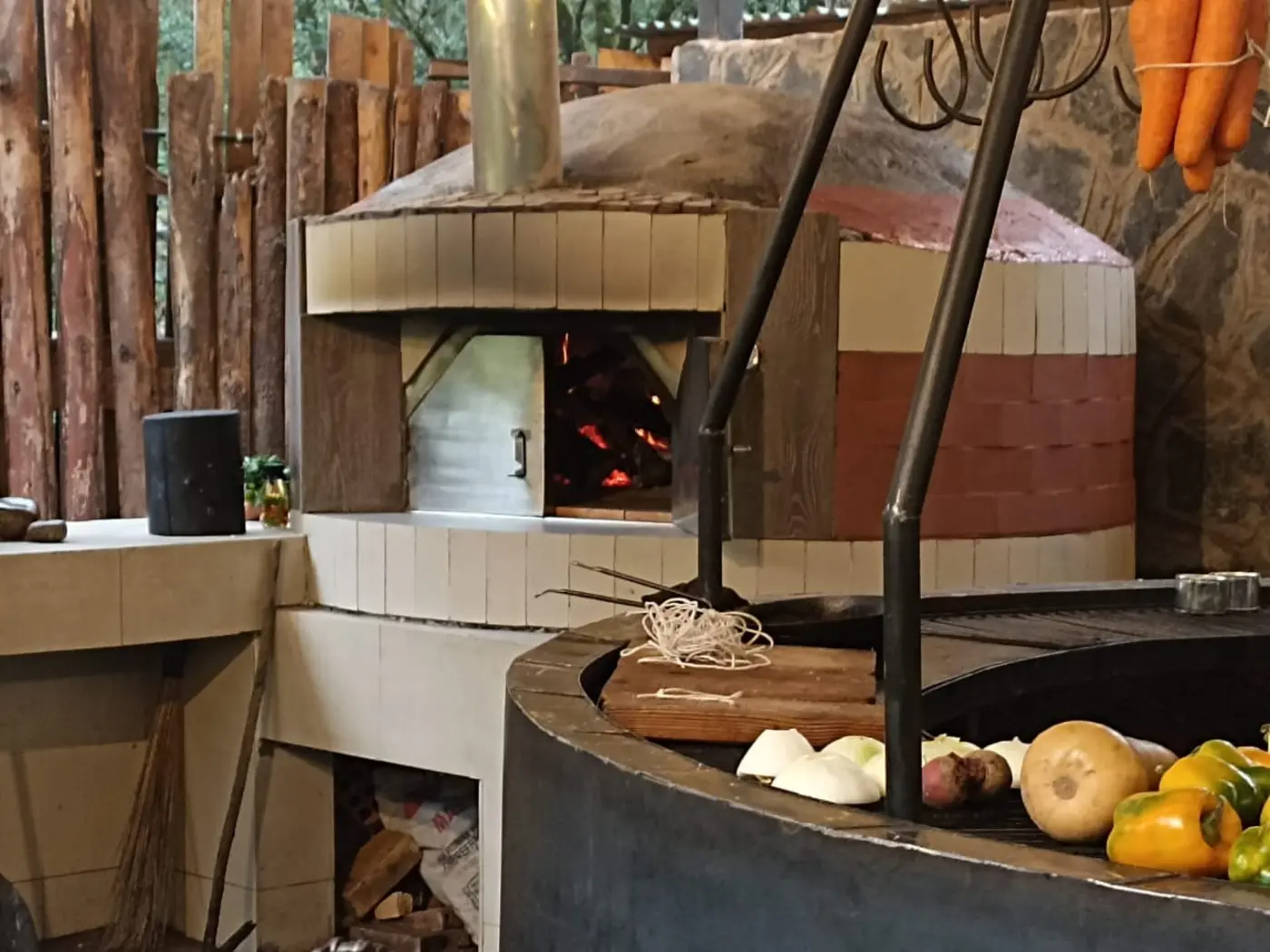
Built for bread rather than pizza: a 100 mm hearth instead of 65, doubled ceramic fibre and rockwool, and a chamber proportioned for tins and trays.
Bread wants a steady, slowly falling temperature over hours rather than fast recovery between 90-second bakes. When forty loaves go onto the floor at once, a thin hearth loses temperature and the bake suffers. A heavy one carries the load without dropping.
One firing runs bread at 280 to 300 °C, roasts as it falls through 220 °C, then slow cooking below that. Three uses from one load of wood, which is where the economics beat a deck oven decisively.
Injection makes a real difference to oven spring and crust on hearth breads and sourdough, far less on tinned and enriched loaves. It has to be built in at construction rather than retrofitted, so it is a decision to make before we start.
At 2.6 tonnes there is a great deal of bound water to drive out — a full three days at the low end of the curing schedule, run by us before handover. See the 130 cm build.
A bakery oven rewards scheduling. Fire it in the early hours, bake sourdough and hearth loaves at the top of the range, move to tinned and enriched breads as it falls, then run roasts for an attached café mid-morning and use the afternoon for slow cooking or drying.
Bakeries that plan this way get three or four distinct uses from one firing, which is where the fuel economics beat a deck oven decisively. Bakeries that fire for bread alone and let the rest go are paying for heat they discard.
Our 130 cm build takes 40 to 50 800 g loaves in a single bake, on a hearth deep enough to load in rows without reaching awkwardly. Chamber proportions are set against your tin and peel sizes at survey — bread ovens are worth specifying to the product rather than buying to a drawing.
1 product
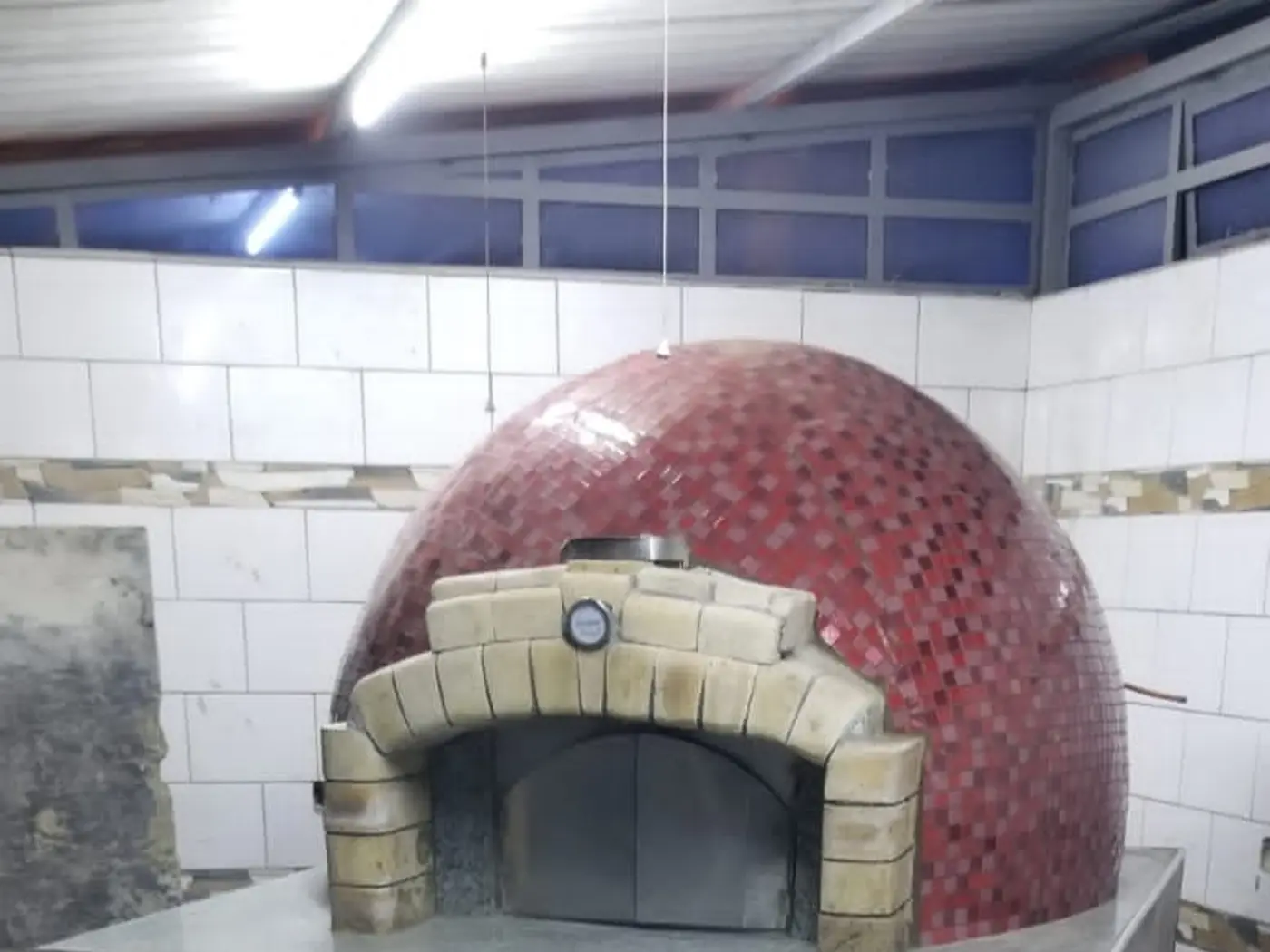
Heavy hearth, long heat curve — an oven built for bread.